Product Testing Suggests USDA-FSIS Regulations for C. perfringens in Meat May Be ‘Overly Conservative’
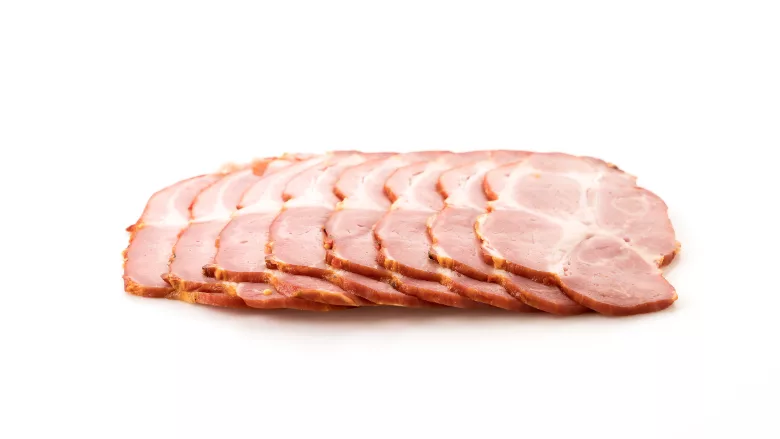
An analysis of real-world data for Clostridium perfringens in ready-to-eat (RTE) and not-ready-to-eat (NRTE) meat products at the manufacturing level found very few positive samples, suggesting that U.S. regulatory limits for the pathogen may be “overly conservative.” The study was conducted by researchers associated with the University of Wisconsin, and the findings were published in the Journal of Food Protection.
USDA-FSIS C. perfringens Regulations and Appendix B Guidelines
Under U.S. Department of Agriculture’s Food Safety and Inspection Service (USDA-FSIS) regulations, the potential growth of C. perfringens during thermally processed product chilling (i.e., stabilization) must not exceed 1 CFU/g. USDA-FSIS’ Stabilization Guideline for Meat and Poultry Products (Revised Appendix B) describes “safe harbors,” or cooling and hot-holding parameters to prevent the growth of spore-forming Clostridia.
Despite this regulatory focus on C. perfringens control at the production level, the literature shows that the majority of C. perfringens illness outbreaks attributed to meat or poultry consumption were due to mishandling at foodservice operations rather than the manufacturing of products at FSIS-inspected establishments.
A USDA quantitative microbial risk assessment (QMRA) predicted that a tenfold or a 100-fold increase in C. perfringens during stabilization would result in a 1.2 or 1.6-fold increase in illnesses due to increased pathogen growth, respectively. Moreover, a small market basket survey conducted by FSIS in 2023 found that just one sample out of 494 total samples was positive for C. perfringens spores, with a count of 1.08 log CFU/g. Based on the findings of this basket study, FSIS concluded that Appendix B guidance is adequate and does not merit revision.
Real-World Meat Processor Data
Given the need for additional data to improve risk assessments, the objective of the present study was to analyze additional data regarding the number of C. perfringens organisms in raw materials and those that survive the cook/chill process in commercial U.S. meat products.
The researchers solicited C. perfringens sampling and testing data from three volunteer, high-volume meat processors, including cooked RTE and raw goods, representing products produced between 2015 and 2019, and 2022 to 2023. The cooked RTE product data included 3,141 cooked products not related to process deviations, while data collected from 2,886 products originated from process deviations determined not to meet the “safe harbors” outlined in Appendix B.
Low C. perfringens Prevalence in Raw and Cooked Samples
Analysis of 2,025 samples of raw, mildly heat-treated, and not fully cooked products collected by participating companies showed that C. perfringens was rarely detected. Overall, 86.7 percent of samples were below the limit of detection (greater than 1 log CFU/g), while 12.4 percent contained 1–2 log CFU/g. Less than 1 percent of samples exceeded 2 log CFU/g, and only five samples, all from heat-treated but not fully cooked bacon products, contained 4–5 log CFU/g.
Looking for quick answers on food safety topics?
Try Ask FSM, our new smart AI search tool.
Ask FSM →
The researchers noted that, although elevated C. perfringens levels were occasionally observed in raw materials and certain partially cooked products, standard commercial cooking processes are highly effective at reducing vegetative cells. Modeling based on commercial bacon, hot dog, and ham cooking schedules predicted reductions ranging from 1.75 log CFU/g in bacon to greater than 135 log CFU/g in fully cooked hot dogs, with a 15.4-log reduction predicted for ham. These findings suggested that conventional thermal processes used for fully cooked meat products are sufficient to inactivate C. perfringens, even when initial levels exceed 4 log CFU/g.
Among 3,141 fully cooked RTE product samples that were not associated with process deviations, 99.75 percent contained no detectable C. perfringens. Only eight samples contained 1–2 log CFU/g, and no samples exceeded 2 log CFU/g. The researchers calculated the probability of finding C. perfringens levels above 2 log CFU/g in commercially produced cooked products to be extremely low.
Minimal Impact Observed from Cooling Deviations
The study also examined 2,886 RTE meat samples associated with process deviations, including products that did not meet USDA-FSIS Appendix B "safe harbor" cooling parameters or company-established cooling limits. Despite these deviations, 99.86 percent of samples were below the limit of detection, and only four samples contained 1–2 log CFU/g. No samples exceeded 2 log CFU/g.
Based on the data, the probability of C. perfringens counts exceeding 2 log CFU/g because of a cooling deviation was calculated to be 0.00128. The researchers said the findings indicate that commercially produced meat and poultry products rarely contain C. perfringens at levels considered a food safety concern, even when cooling processes fall outside Appendix B “safe harbors.”
Implications for FSIS Stabilization Requirements
According to the researchers, the data suggest that C. perfringens is unlikely to survive commercial cooking processes in fully cooked products at detectable levels and, when present, is generally found at populations below 2 log CFU/g. Because illness is typically associated with much higher concentrations of vegetative cells, substantial growth would be required after cooking to reach levels capable of causing disease.
The researchers concluded that, while C. perfringens can occur in raw materials and certain heat-treated, not fully cooked products, commercial thermal processing followed by cooling consistently reduces the organism to below detectable levels in finished products. In light of these findings, they suggested that the scientific basis for USDA-FSIS' requirement that growth during stabilization not exceed 1 log CFU/g may be overly conservative and could warrant reevaluation as additional data become available.