Food Safety
search
Ask Food Safety AI
cart
facebook twitter linkedin instagram youtube
  • Sign In
  • Create Account
  • Sign Out
  • My Account
Food Safety
  • NEWS
    • Latest News
    • White Papers
  • PRODUCTS
  • TOPICS
    • Contamination Control
    • Food Types
    • Management
    • Process Control
    • Regulatory
    • Sanitation
    • Supply Chain
    • Testing and Analysis
  • PODCAST
  • EXCLUSIVES
    • Food Safety Five Newsreel
    • eBooks
    • FSM Distinguished Service Award
    • Interactive Product Spotlights
    • Videos
  • BUYER'S GUIDE
  • MORE
    • NEWSLETTERS >
      • Archive Issues
      • Subscribe to eNews
    • Store
    • Sponsor Insights
    • ASK FSM AI
  • WEBINARS
  • FOOD SAFETY SUMMIT
  • EMAG
    • eMagazine
    • Archive Issues
    • Editorial Advisory Board
    • Contact
    • Advertise
  • SIGN UP!
NewsFood TypeRegulatoryIngredientsInternational Standards/Harmonization

Australia Approves New Restrictions on Caffeine Ingredients
By Food Safety Magazine Editorial Team
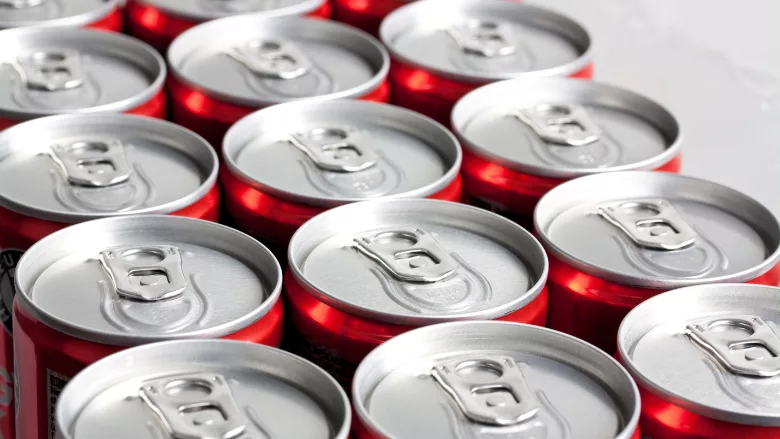
cans of soda or energy drink
Image credit: wirestock via Freepik
April 2, 2026

The Food Standards Australia New Zealand (FSANZ) Board has approved a proposal (P1056) that introduces new requirements related to the sale of caffeine or guarana extract, as well as restrictions on adding caffeine to foods.

The amendments to the Food Standards Code aim to address public health concerns related to excessive caffeine intake, particularly among vulnerable populations, and to limit the proliferation of highly caffeinated products in the general food supply.

Australian food ministers have 60 days to review the decision. If no review is requested, the amendments will be gazetted, after which time food businesses will have two years to comply.

New Caffeine Regulations

Changes approved under P1056 include:

  • Prohibition on retail sale of caffeine as a food: The Code will explicitly prohibit the retail sale of caffeine as a food.
  • Restrictions on adding caffeine to food: Caffeine from all sources will not be permitted as an added ingredient in foods for retail sale unless specifically allowed elsewhere in the Code.
  • Guarana extract limits: The retail sale of guarana extract with high caffeine concentrations will be restricted to reduce the risk of highly concentrated sources of caffeine being sold as food.
  • Labeling for high-caffeine coffee beverages: Packaged coffee beverages that contain high levels of caffeine will need to declare caffeine content per serve in the nutrition information panel and carry an advisory statement that the product is not suitable for children under 15 years, or for pregnant or breastfeeding women.
  • Permission for caffeine in sports foods: Caffeine will be permitted in formulated supplementary sports foods (FSSF) within defined limits, including a maximum one-day quantity of 200 milligrams (mg). New warning and advisory labeling requirements will apply, along with packaging requirements for certain FSSF in a multipack.

Existing, Unchanged Caffeine Regulations

Existing permissions for caffeine in energy drinks and cola beverages will remain unchanged.

Additionally, ingredients that contain caffeine by natural occurrence, such as coffee or tea, can continue to be added to food, unless they are considered an unapproved novel food. Foods or ingredients containing naturally occurring caffeine may still require a pre-market safety assessment if they meet the legal definition for a novel food under the Code.

Looking for quick answers on food safety topics?
Try Ask FSM, our new smart AI search tool.
Ask FSM →


KEYWORDS: Australia FSANZ New Zealand

Share This Story

Fsm purple logo 200x200

The Food Safety Magazine editorial team comprises Bailee Henderson, Digital Editor ✉ and Adrienne Blume, M.A., Editorial Director.

Recommended Content

JOIN TODAY
to unlock your recommendations.

Already have an account? Sign In

  • people holding baby chicks

    Serovar Differences Matter: Utility of Deep Serotyping in Broiler Production and Processing

    This article discusses the significance of Salmonella in...
    Food Type
    By: Nikki Shariat Ph.D.
  • woman washing hands

    Building a Culture of Hygiene in the Food Processing Plant

    Everyone entering a food processing facility needs to...
    Management
    By: Richard F. Stier, M.S.
  • graphical representation of earth over dirt

    Climate Change and Emerging Risks to Food Safety: Building Climate Resilience

    This article examines the multifaceted threats to food...
    Contamination Control
    By: Maria Cristina Tirado Ph.D., D.V.M. and Shamini Albert Raj M.A.
Manage My Account
  • eMagazine Subscription
  • Subscribe to Newsletters
  • Manage My Preferences
  • Website Registration
  • Subscription Customer Service

More Videos

Sponsored Content

Sponsored Content is a special paid section where industry companies provide high quality, objective, non-commercial content around topics of interest to the Food Safety Magazine audience. All Sponsored Content is supplied by the advertising company and any opinions expressed in this article are those of the author and not necessarily reflect the views of Food Safety Magazine or its parent company, BNP Media. Interested in participating in our Sponsored Content section? Contact your local rep!

close
  • The image displays a person selecting packaged fresh chicken meat from a supermarket display cooler.
    Sponsored byCorbion

    Developing a Future-Proof Food Safety Strategy for Meat and Poultry Products

  • The image shows a variety of fresh produce packaged in plastic trays and wrap.
    Sponsored byWaters Corporation

    PFAS-Free Food Packaging by August 2026

  • This image displays a multi-stage water filtration system designed to remove contaminants from drinking water.
    Sponsored byWaterdrop Filter

    The 4.0 ppt Era: Future-Proofing Your Food Supply Chain Against 'Forever Chemicals'

Popular Stories

half shredded block of cheddar cheese and pile of cheese shreds on wooden cutting board

Patient Count in Raw Farm E. coli Outbreak Grows, Majority are Young Children

RAW FARM-brand raw cheddar cheese shreds

Amid E. coli Outbreak, Congress Urges FDA to Mandate Raw Cheese Recall

smiling employee in bottling factory looking at camera with arms crossed in front of production line

GFSI Unveils Updated Food Safety Culture Framework

foreign material webinar


Events

April 8, 2026

Foreign Material Contamination: Why In-Line Reinspection Isn't Enough

Live: April 8, 2026, at 11:00 am EDT: From this webinar, attendees will learn why reinspecting with in-line equipment is not sufficient when it comes to potential foreign material contamination.

April 16, 2026

Recordkeeping and Document Management for Food Safety Compliance

Live: April 16, 2026, at 2:00 pm EDT: From this webinar, attendees will learn why recordkeeping and document control are essential to food safety and business management.

May 11, 2026

The Food Safety Summit

Stay informed on the latest food safety trends, innovations, emerging challenges, and expert analysis. Leave the Summit with actionable insights ready to drive measurable improvements in your organization. Do not miss this opportunity to learn from experts about contamination control, food safety culture, regulations, sanitation, supply chain traceability, and so much more.

View All

Products

Global Food Safety Microbial Interventions and Molecular Advancements

Global Food Safety Microbial Interventions and Molecular Advancements

See More Products

Related Articles

  • Arla Foods Ingredients MFGM

    Australia Approves First Milk Fat Globule Membrane for Use in Infant Formula

    See More
  • paper with red stamp that says approved

    UK FSA Approves New Ingredients, GMOs, FCM; Removes Flavoring Approvals

    See More
  • fried quail dish

    Australia Approves First Cell-Based Meat Product

    See More

Related Products

See More Products
  • 0813808774.jpg

    Improving Import Food Safety

  • Food-Forensics-3D.jpg

    Food Forensics Handbook Practice, Instrumentation, Case Studies

  • shelf life.jpg

    Shelf Life and Food Safety

See More Products

Events

View AllSubmit An Event
  • November 20, 2025

    New U.S. Additive Bans: How to Prepare and Protect Your Brand

    On Demand: From this webinar, attendees will learn the impact of ingredient restrictions on product development, sourcing, labeling, and market access.
View AllSubmit An Event

Related Directories

  • Wenda Ingredients

    Natural curing, yield and texture improvement, shelf-life extension, color retention, and pathogen control. Wenda Ingredients' portfolio of clean-label ingredients provides brands and processors with the most advanced solutions.
×

Never miss the latest news and trends driving the food safety industry

Newsletters | Website | eMagazine

JOIN TODAY!
  • RESOURCES
    • Advertise
    • Contact Us
    • Directories
    • Store
    • Want More
  • SIGN UP TODAY
    • Create Account
    • eMagazine
    • Newsletters
    • Customer Service
    • Manage Preferences
  • SERVICES
    • Marketing Services
    • Reprints
    • Market Research
    • List Rental
    • Survey/Respondent Access
  • STAY CONNECTED
    • LinkedIn
    • Facebook
    • Instagram
    • X (Twitter)
  • PRIVACY
    • PRIVACY POLICY
    • TERMS & CONDITIONS
    • DO NOT SELL MY PERSONAL INFORMATION
    • PRIVACY REQUEST
    • ACCESSIBILITY

Copyright ©2026. All Rights Reserved BNP Media, Inc. and BNP Media II, LLC.

Design, CMS, Hosting & Web Development :: ePublishing