National Officials Publish Analysis of Netherlands' Largest-Ever Salmonella Enteritidis Outbreak
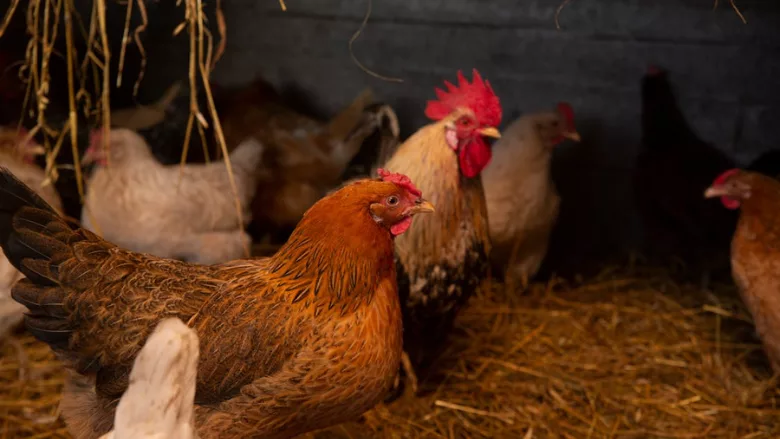
A new post-incident analysis published in Eurosurveillance has offered insights and lessons learned from a nationwide outbreak of Salmonella Enteritidis that occurred in the Netherlands in 2023–2025. The incident represents the largest S. Enteritidis outbreak recorded to date in the Netherlands. A key cause of the outbreak was determined to be contaminated eggshells used in poultry feed.
The outbreak investigation was carried out by the National Institute for Public Health and the Environment (RIVM) and the competent authorities for animal health and food safety.
Outbreak Background
In July 2023, nine genetically related S. Enteritidis cases were identified through national genomic surveillance. In October 2023, the case count had risen to 91. By the end of the outbreak, there were 227 confirmed cases of illness, with an additional 28 historical cases identified.
The authors noted the true scale was likely significantly higher, citing estimates that for every reported case, there may be 26 additional infections.
Eggshell Feed Identified as Key Source of Contamination
Epidemiological data and whole genome sequencing (WGS) linked the outbreak to eggs from Dutch layer hen farms. However, finding the source of contamination proved complex due to the involvement of multiple farms and egg distribution pathways. Investigators shifted focus upstream in the production chain, identifying dried eggshells used as a calcium source in poultry feed as a common factor. An S. Enteritidis isolate recovered from dried eggshells matched one of the outbreak subclusters.
RIVM determined that controls during processing of the eggshells were insufficient, either due to inadequate heat treatment or recontamination, allowing the pathogen to persist and enter feed, and likely contributing to the outbreak’s prolonged and diffuse nature.
Multiple Sources and Persistent Transmission Challenges
The outbreak comprised two genetically related subclusters. While eggshell-derived feed was linked to one subcluster, the source of the second subcluster remained unclear. As cases continued into 2025, investigators began to suspect that there were multiple contamination routes within the egg production chain.
Looking for quick answers on food safety topics?
Try Ask FSM, our new smart AI search tool.
Ask FSM →
However, investigators were unable to determine how S. Enteritidis was initially introduced to the supply chain or how it spread to some farms without direct links to the implicated feed.
Interventions and Industry Response
Following the identification of the contamination source, interventions were implemented across the sector. These included increased awareness among producers, avoidance of feed from implicated manufacturers, and strengthened biosecurity, hygiene, and traceability practices.
Additionally, the Dutch laying hen sector increased Salmonella testing frequency. Beginning in January 2024, testing intervals for older hens were reduced from every 15 weeks to every eight weeks. In October 2025, testing intervals were again shortened to every eight weeks for younger hens and every four weeks for hens older than 65 weeks.
These actions coincided with a decline in cases, although the persistence of one subcluster indicated that strengthened testing protocols were not the sole driver of the decline.
Importance of Feed Safety Controls and Data-Sharing
The outbreak underscored the role of animal feed as a vector for Salmonella introduction and highlighted the importance of effective microbiological control during feed production. Investigators emphasized that treatment parameters, including time, temperature, and processing conditions, must be adequately controlled.
The investigation also demonstrated the value of cross-sector collaboration. A voluntarily shared eggshell isolate from a feed producer was instrumental in identifying the contamination source. However, delays in sequencing and data-sharing limited earlier detection of affected farms.
The authors concluded that more frequent testing and real-time sharing of isolates across public health, food safety, and animal health sectors would improve outbreak response and prevention.