Food Safety
search
Ask Food Safety AI
cart
facebook twitter linkedin
  • Sign In
  • Create Account
  • Sign Out
  • My Account
Food Safety
  • NEWS
    • Latest News
    • White Papers
  • PRODUCTS
  • TOPICS
    • Contamination Control
    • Food Types
    • Management
    • Process Control
    • Regulatory
    • Sanitation
    • Supply Chain
    • Testing and Analysis
  • PODCAST
  • EXCLUSIVES
    • Food Safety Five Newsreel
    • eBooks
    • FSM Distinguished Service Award
    • Interactive Product Spotlights
    • Videos
  • BUYER'S GUIDE
  • MORE
    • ENEWSLETTER >
      • Archive Issues
      • Subscribe to eNews
    • Store
    • Sponsor Insights
    • ASK FSM AI
  • WEBINARS
  • FOOD SAFETY SUMMIT
  • EMAG
    • eMagazine
    • Archive Issues
    • Editorial Advisory Board
    • Contact
    • Advertise
  • SIGN UP!
NewsFood TypeRegulatorySupply ChainDairy/EggsMeat/PoultryProduceInternational Standards/HarmonizationImports/ExportsTraceability/Recall

Canada Reduces Regulatory Red Tape for Produce, Eggs

By Food Safety Magazine Editorial Team
pallets of numbered eggs
Image credit: Eimi Vergara via Pexels
October 30, 2025

The Canadian Food Inspection Agency (CFIA) has enacted regulatory amendments to the Health of Animals Regulations (HAR) and the Safe Food for Canadians Regulations (SFCR), aimed at reducing red tape and enhancing economic resilience in the agri-food sector.

These changes took effect immediately upon registration. CFIA enforcement protocols remain unchanged. Additionally, to support industry adaptation, CFIA has updated the Industry Labeling Tool and will revise additional guidance documents and the Automated Import Reference System (AIRS).

Key Changes for the Fresh Produce Industry

Affecting fresh fruits and vegetables (FFV) producers, the amendments to SFCR make the following key changes:

  • Labeling and grading flexibility: Overly prescriptive labeling and mandatory grading requirements for FFV destined for manufacturing, processing, or preserving have been removed. FFV grades now play no role in food safety or consumer protection.
  • Exemptions introduced: Consumer prepackaged FFV are exempt from net quantity declarations in specific packaging scenarios. FFV wrapped in transparent protective materials are now considered "unpackaged" and exempt from mandatory labeling.
  • Label format adjustments: Minimum type height for mandatory labeling is now 1.6 millimeters (mm). Size designation statements are optional.
  • Measurement updates: Net quantity declarations may now use weight, volume, or count for select FFV, including fresh sweet corn.
  • Grade oversight shift: Responsibility for most FFV grades (excluding apples, onions, and potatoes) has transferred from the Canadian Food Inspection Agency (CFIA) to the Fruit and Vegetable Dispute Resolution Corporation (DRC), which will maintain the new “Fresh Fruit and Vegetable Grade Requirements” document.
  • Compendium revisions: The Canadian Grade Compendium: Volume 2 will retain only grades for apples, onions, and potatoes. Volume 9 and U.S. import grade standards have been updated to reflect new cucumber and potato requirements and remove outdated exemptions.

Key Changes for the Egg Industry

Additionally, certain amendments made under HAR have food safety implications for the poultry/egg industry, and specifically, hatcheries, including the following key changes:

  • Salmonella testing for U.S. imports: Import conditions under the Import Reference Document (IRD) now require Salmonella Enteritidis testing for hatching eggs imported from the U.S. to align with Canadian requirements.
  • Traceability code flexibility: HAR traceability provisions require licensed hatcheries and supply flocks to display their government-issued premises identification (PID) number as the traceability code for their products. The amendments strike the requirement for hatcheries to mark packages of eggs and chicks leaving their facilities with their PID number, allowing them to use their own generated identifier code instead of or alongside the PID number.

Other updates to HAR allow CFIA to make changes to the IRD without seeking official regulatory amendments, and modify import conditions for veal in the IRD to increase flexibility for veal producers.

Looking for quick answers on food safety topics?
Try Ask FSM, our new smart AI search tool.
Ask FSM →


KEYWORDS: Canada CFIA hatchery labeling

Share This Story

Fsm purple logo 200x200

The Food Safety Magazine editorial team comprises Bailee Henderson, Digital Editor ✉; Adrienne Blume, M.A., Editorial Director; and Stacy Atchison, Publisher.

Recommended Content

JOIN TODAY
to unlock your recommendations.

Already have an account? Sign In

  • people holding baby chicks

    Serovar Differences Matter: Utility of Deep Serotyping in Broiler Production and Processing

    This article discusses the significance of Salmonella in...
    Microbiological
    By: Nikki Shariat Ph.D.
  • woman washing hands

    Building a Culture of Hygiene in the Food Processing Plant

    Everyone entering a food processing facility needs to...
    Management
    By: Richard F. Stier, M.S.
  • graphical representation of earth over dirt

    Climate Change and Emerging Risks to Food Safety: Building Climate Resilience

    This article examines the multifaceted threats to food...
    Contamination Control
    By: Maria Cristina Tirado Ph.D., D.V.M. and Shamini Albert Raj M.A.
Manage My Account
  • eMagazine Subscription
  • Subscribe to eNewsletter
  • Manage My Preferences
  • Website Registration
  • Subscription Customer Service

More Videos

Sponsored Content

Sponsored Content is a special paid section where industry companies provide high quality, objective, non-commercial content around topics of interest to the Food Safety Magazine audience. All Sponsored Content is supplied by the advertising company and any opinions expressed in this article are those of the author and not necessarily reflect the views of Food Safety Magazine or its parent company, BNP Media. Interested in participating in our Sponsored Content section? Contact your local rep!

close
  • Salmonella bacteria
    Sponsored byThermoFisher

    Food Microbiology Testing Methods: Salmonella species

  • a diagram explaining indicator organisms
    Sponsored byHygiena

    How Proactive Listeria Testing Helps Prevent Six- and Seven-Figure Recalls

  • woman grocery shopping
    Sponsored byCorbion

    Designing Safety Into Every Bite: Proactive Risk Mitigation for Refrigerated Foods

Popular Stories

NRTE breaded stuffed chicken

USDA Indefinitely Delays Enforcement of Salmonella as Adulterant in Raw Breaded, Stuffed Chicken

digital map of europe

EU Publishes Food Fraud Tool Mapping Thousands of Cases Since 2016

non-conforming product

How to Handle Non-Conforming Product

Events

December 11, 2025

How to Develop and Implement an Effective Food Defense Strategy

Live: December 11, 2025 at 2:00 pm EDT: From this webinar, attendees will learn common areas where companies encounter challenges in their food defense strategies and how to address them.

May 11, 2026

The Food Safety Summit

Stay informed on the latest food safety trends, innovations, emerging challenges, and expert analysis. Leave the Summit with actionable insights ready to drive measurable improvements in your organization. Do not miss this opportunity to learn from experts about contamination control, food safety culture, regulations, sanitation, supply chain traceability, and so much more.

View All

Products

Global Food Safety Microbial Interventions and Molecular Advancements

Global Food Safety Microbial Interventions and Molecular Advancements

See More Products

Related Articles

  • pistachios

    Canada Requires Salmonella Testing for Iranian Pistachios as 155 Outbreak Cases Confirmed

    See More
  • The Produce Safety Rule: Be Prepared for a Food Regulatory Inspection

    See More
  • three chickens in cage

    Canada Updates Salmonella Testing Regulations for Hatcheries, Poultry Breeders to Align With U.S., EU

    See More

Related Products

See More Products
  • 1118396308.jpg

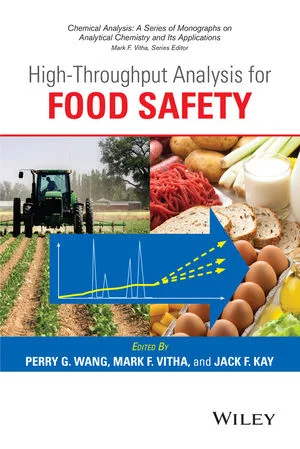
    High Throughput Analysis for Food Safety

  • 1119053595.jpg

    Food Safety for the 21st Century: Managing HACCP and Food Safety throughout the Global Supply Chain, 2E

  • 1119160553.jpg

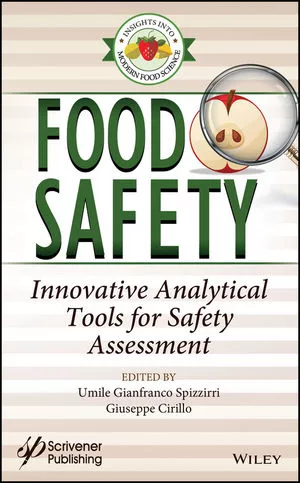
    Food Safety: Innovative Analytical Tools for Safety Assessment

See More Products
×

Never miss the latest news and trends driving the food safety industry

eNewsletter | Website | eMagazine

JOIN TODAY!
  • RESOURCES
    • Advertise
    • Contact Us
    • Directories
    • Store
    • Want More
  • SIGN UP TODAY
    • Create Account
    • eMagazine
    • eNewsletter
    • Customer Service
    • Manage Preferences
  • SERVICES
    • Marketing Services
    • Reprints
    • Market Research
    • List Rental
    • Survey/Respondent Access
  • STAY CONNECTED
    • LinkedIn
    • Facebook
    • Instagram
    • X (Twitter)
  • PRIVACY
    • PRIVACY POLICY
    • TERMS & CONDITIONS
    • DO NOT SELL MY PERSONAL INFORMATION
    • PRIVACY REQUEST
    • ACCESSIBILITY

Copyright ©2025. All Rights Reserved BNP Media.

Design, CMS, Hosting & Web Development :: ePublishing