The Canadian Food Inspection Agency (CFIA) has enacted regulatory amendments with the goal of reducing red tape regarding labeling, traceability, and imports
for fresh fruit/vegetable producers and the poultry/egg industries—specifically, hatcheries.
A study has validated and verified two gas-phase hydroxyl radical processes for inactivating Salmonella and several avian pathogens on poultry hatchery eggs without affecting the egg hatch rate or development of hatched chicks, providing a viable alternative to traditionally used, hazardous and toxic formaldehyde treatments.
Last year marked the beginning of the worst avian influenza outbreak to date, and the U.S. is still experiencing the chaos of this virus. Egg farmers, with the help of industry partners, have continued to develop and enhance biosecurity and safety measures that work to reduce the spread of the virus and maintain proper bird health.
The Canadian Food Inspection Agency (CFIA) has amended its Health of Animals Regulations to better prevent and control foodborne illnesses associated with poultry and eggs, citing the need for national consistency, modernization, and alignment with global trading partners.
A recent study of hatcheries has demonstrated the efficacy of tailored advice on preventive controls for Salmonella, as well as provided insight into the prevalence of the pathogen in commercial British hatcheries.
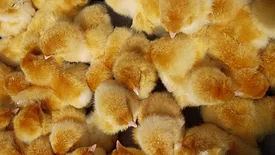
The 10x20 chicken house, part of the Animal Science Program, will have 99 chicks in each flock.
Allen Harim, Seaford, Del., partnered with Woodbridge High School, Greenwood, Del., to build a miniature chicken house for students to learn how to raise chicken for meat production.