Food Safety
search
Ask Food Safety AI
cart
facebook twitter linkedin
  • Sign In
  • Create Account
  • Sign Out
  • My Account
Food Safety
  • NEWS
    • Latest News
    • White Papers
  • PRODUCTS
  • TOPICS
    • Contamination Control
    • Food Types
    • Management
    • Process Control
    • Regulatory
    • Sanitation
    • Supply Chain
    • Testing and Analysis
  • PODCAST
  • EXCLUSIVES
    • Food Safety Five Newsreel
    • eBooks
    • FSM Distinguished Service Award
    • Interactive Product Spotlights
    • Videos
  • BUYER'S GUIDE
  • MORE
    • ENEWSLETTER >
      • Archive Issues
      • Subscribe to eNews
    • Store
    • Sponsor Insights
    • ASK FSM AI
  • WEBINARS
  • FOOD SAFETY SUMMIT
  • EMAG
    • eMagazine
    • Archive Issues
    • Editorial Advisory Board
    • Contact
    • Advertise
  • SIGN UP!
NewsContamination ControlFood TypeChemicalPhysicalSeafood

Oregon-Based Study Shows Widespread Microplastics Contamination in Seafood
By Food Safety Magazine Editorial Team
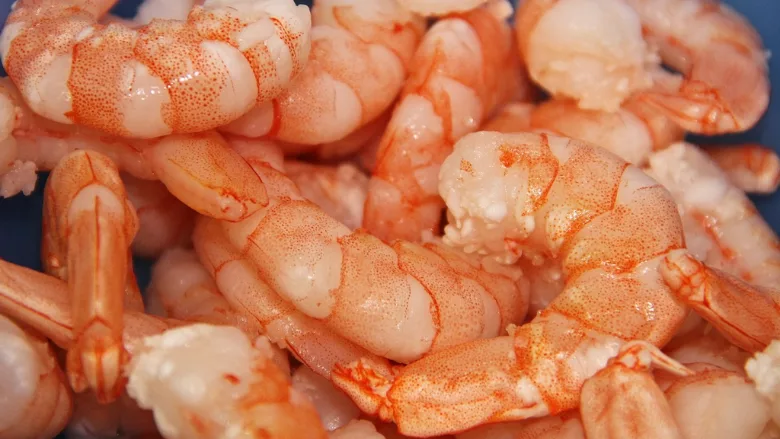
pile of pink shrimp

Image credit: manfredrichter via Pixabay

January 8, 2025

Yet another study is pointing to the issue of microplastics contamination in the food chain. Specifically, according to a study recently published in Frontiers in Toxicology, microplastics are widely present in commonly eaten Oregon seafood.

For the study, researchers sampled five finfish (Chinook salmon, black rockfish, lamprey, lingcod, and Pacific herring) and one shellfish species (pink shrimp) caught in Oregon waters. The samples were retrieved from both fishing boats and at retail. A total of 182 samples (122 finfish and 60 crustaceans) were collected.

Approximately 1,800 microplastic particles were found in 180 of the 182 seafood samples, with microplastic fibers the most common type of particle (81.17 percent), followed by fragments (18.38 percent) and films (0.44 percent). The researchers observed that fibers were able to migrate from the fishes’ guts into their edible muscle tissues.

Pink shrimp was the species with the most microplastics per sample, probably due to their filter-feeding nature and residing just below the surface of the water. Chinook salmon contained the least concentrations of plastic per sample, followed by black rockfish and lingcod.

Additionally, the researchers experimented with rinsing retail-purchased fish fillets and shrimp as a consumer would do at home, to determine whether rinsing would affect the presence of plastics introduced to the surface of the fish through processing and packaging. They found that, in some cases, additional surface contamination can be removed with rinsing.

Although the study demonstrates widespread microplastics contamination in seafood, the researchers are not advocating for consumers to eat less fish, pointing out that plastic contamination is also true for water, meat and poultry, tofu, and other food types. Because of the presence of microplastics in the environment, these pollutants will enter the food chain through soil and water.

The research was led by Summer Traylor, M.S. of Portland State University, assisted by Elise Granek, Ph.D., Professor of Environmental Science and Management at PSU, and Susanne Brander, Ph.D., exotoxicologist and Associate Professor in Oregon State University’s College of Agricultural Sciences. Dr. Granek’s and Dr. Brander’s laboratories are currently involved in projects exploring solutions to environmental microplastics contamination affecting the food chain. For example, with a $1.9 million grant from the U.S. National Oceanic and Atmospheric Administration's (NOAA), Dr. Granek is developing filters for washing machines, dishwashers, and clothes driers that could catch microplastics. Another project Dr. Granek and Dr. Brander are taking part in, which is funded by the Oregon Sea Grant, will explore the efficacy of catch basin filters for stormwater drains in trapping microplastics from road runoff before entering waterways.

Looking for quick answers on food safety topics?
Try Ask FSM, our new smart AI search tool.
Ask FSM →


KEYWORDS: microplastics Oregon Portland State University study

Share This Story

Fsm purple logo 200x200

The Food Safety Magazine editorial team comprises Bailee Henderson, Digital Editor ✉; Adrienne Blume, M.A., Editorial Director; and Stacy Atchison, Publisher.

Recommended Content

JOIN TODAY
to unlock your recommendations.

Already have an account? Sign In

  • people holding baby chicks

    Serovar Differences Matter: Utility of Deep Serotyping in Broiler Production and Processing

    This article discusses the significance of Salmonella in...
    Microbiological
    By: Nikki Shariat Ph.D.
  • woman washing hands

    Building a Culture of Hygiene in the Food Processing Plant

    Everyone entering a food processing facility needs to...
    Management
    By: Richard F. Stier, M.S.
  • graphical representation of earth over dirt

    Climate Change and Emerging Risks to Food Safety: Building Climate Resilience

    This article examines the multifaceted threats to food...
    Management
    By: Maria Cristina Tirado Ph.D., D.V.M. and Shamini Albert Raj M.A.
Manage My Account
  • eMagazine Subscription
  • Subscribe to eNewsletter
  • Manage My Preferences
  • Website Registration
  • Subscription Customer Service

More Videos

Sponsored Content

Sponsored Content is a special paid section where industry companies provide high quality, objective, non-commercial content around topics of interest to the Food Safety Magazine audience. All Sponsored Content is supplied by the advertising company and any opinions expressed in this article are those of the author and not necessarily reflect the views of Food Safety Magazine or its parent company, BNP Media. Interested in participating in our Sponsored Content section? Contact your local rep!

close
  • Salmonella bacteria
    Sponsored byThermoFisher

    Food Microbiology Testing Methods: Salmonella species

  • a diagram explaining indicator organisms
    Sponsored byHygiena

    How Proactive Listeria Testing Helps Prevent Six- and Seven-Figure Recalls

  • woman grocery shopping
    Sponsored byCorbion

    Designing Safety Into Every Bite: Proactive Risk Mitigation for Refrigerated Foods

Popular Stories

NRTE breaded stuffed chicken

USDA Indefinitely Delays Enforcement of Salmonella as Adulterant in Raw Breaded, Stuffed Chicken

digital map of europe

EU Publishes Food Fraud Tool Mapping Thousands of Cases Since 2016

non-conforming product

How to Handle Non-Conforming Product

Events

December 11, 2025

How to Develop and Implement an Effective Food Defense Strategy

Live: December 11, 2025 at 2:00 pm EDT: From this webinar, attendees will learn common areas where companies encounter challenges in their food defense strategies and how to address them.

May 11, 2026

The Food Safety Summit

Stay informed on the latest food safety trends, innovations, emerging challenges, and expert analysis. Leave the Summit with actionable insights ready to drive measurable improvements in your organization. Do not miss this opportunity to learn from experts about contamination control, food safety culture, regulations, sanitation, supply chain traceability, and so much more.

View All

Products

Global Food Safety Microbial Interventions and Molecular Advancements

Global Food Safety Microbial Interventions and Molecular Advancements

See More Products

Related Articles

  • white fish filet on ice

    Study Shows How Microplastics Contamination Affects Cell-Based Food During Production

    See More
  • Ocean Conservancy scientist using microscope

    Study Finds Little Difference Between Plastic in Seafood, Meat, and Plant-Based Proteins—It’s All Contaminated

    See More
  • person blowing bubble of gum

    Study Shows Chewing Gum Releases Thousands of Microplastics, Whether Gum is Synthetic or Natural

    See More

Related Products

See More Products
  • 9781138070912.jpg

    Trends in Food Safety and Protection

  • 1119237963.jpg

    Food Safety in China: Science, Technology, Management and Regulation

  • Food-Forensics-3D.jpg

    Food Forensics Handbook Practice, Instrumentation, Case Studies

See More Products

Related Directories

  • Seafood Collaborators LLC

    In today's complex seafood landscape, ever-stricter standards, regulations, and initiatives are proliferating. Decades of cross-functional, global expertise enable us to offer practical solutions to seafood firms across the value chain - food safety, QMS, regulatory, supply chain risk analysis, responsible sourcing, audits, operational improvement, certification, ESG programs and more.
×

Never miss the latest news and trends driving the food safety industry

eNewsletter | Website | eMagazine

JOIN TODAY!
  • RESOURCES
    • Advertise
    • Contact Us
    • Directories
    • Store
    • Want More
  • SIGN UP TODAY
    • Create Account
    • eMagazine
    • eNewsletter
    • Customer Service
    • Manage Preferences
  • SERVICES
    • Marketing Services
    • Reprints
    • Market Research
    • List Rental
    • Survey/Respondent Access
  • STAY CONNECTED
    • LinkedIn
    • Facebook
    • Instagram
    • X (Twitter)
  • PRIVACY
    • PRIVACY POLICY
    • TERMS & CONDITIONS
    • DO NOT SELL MY PERSONAL INFORMATION
    • PRIVACY REQUEST
    • ACCESSIBILITY

Copyright ©2025. All Rights Reserved BNP Media.

Design, CMS, Hosting & Web Development :: ePublishing