Food Safety
search
Ask Food Safety AI
cart
facebook twitter linkedin instagram youtube
  • Sign In
  • Create Account
  • Sign Out
  • My Account
Food Safety
  • NEWS
    • Latest News
    • Sponsored Insights
    • Sponsored White Papers
  • PRODUCTS
  • TOPICS
    • Contamination Control
    • Food Types
    • Management
    • Process Control
    • Regulatory
    • Sanitation
    • Supply Chain
    • Testing and Analysis
  • PODCAST
  • EXCLUSIVES
    • Food Safety Five Newsreel
    • eBooks
    • FSM Distinguished Service Award
    • Interactive Product Spotlights
    • Videos
  • BUYER'S GUIDE
  • MORE
    • NEWSLETTERS >
      • Archive Issues
      • Subscribe to eNews
    • Store
    • ASK FSM AI
  • WEBINARS
  • FOOD SAFETY SUMMIT
  • EMAG
    • eMagazine
    • Archive Issues
    • Editorial Advisory Board
    • Contact
    • Advertise
  • SIGN UP!
NewsFood TypeRegulatoryTesting & AnalysisMicrobiological Testing & AnalysisReady-to-eatInternational Standards/Harmonization

UKHSA Publishes Updated Guidelines on Interpreting Microbial Test Results for RTE Foods at Retail

By Bailee Henderson
scientist holding pipe and pipette microscope in background

Image credit: Freepik

December 19, 2024

To assist interpretation of test results generated by UK Health Security Agency (UKHSA) microbiology laboratories, UKHSA has published new guidelines for assessing the microbiological safety of ready-to-eat (RTE) foods placed on the market.

The legal obligations described in the new guidelines are very similar to the previous version published in 2009, but reflect the UK’s exit from the EU, now referencing UK provisions rather than EU law. However, the new guidelines are more scientifically current, considering the accumulation of data on the microbiological testing of foods from UKHSA’s Food, Water, and Environmental Microbiology Services (FWEMS) labs since 2009.

The scope of the guidelines includes RTE food sampled within the retail food supply chain.

Providing a framework for standardized laboratory results interpretation and advice on remedial actions to be recommended by staff, the guidelines are intended for practical use within UKHSA, as well as by local authority and port health authority enforcement officers. They include information on pathogenic foodborne bacteria and bacteria that can act as hygiene indicators, information on the interpretation of test results, comments on poor practices that are likely to have contributed to adverse results, and suggested appropriate public health actions.

Additionally, the new guidelines have been expanded to include information on statutory requirements, such as for Shiga toxin-producing Escherichia coli (STEC) testing, as well as advice on sampling, transport, and test selection.

Looking for quick answers on food safety topics?
Try Ask FSM, our new smart AI search tool.
Ask FSM →


KEYWORDS: guidance UK

Share This Story

Baileehendersonmay23

Bailee Henderson is the Director of Content Strategy for Food Safety Magazine. In the day-to-day, she covers industry-relevant current events, regulatory affairs, and scientific developments. She also produces the Food Safety Five Newsreel and edits the twice-weekly Food Safety Digest newsletter. Notably, Bailee's coverage for Food Safety Magazine has been featured in national televised news segments including CBS Sunday Morning and MSNBC's Rachel Maddow Show. She can be reached at hendersonb@bnpmedia.com.

Recommended Content

JOIN TODAY
to unlock your recommendations.

Already have an account? Sign In

  • people holding baby chicks

    Serovar Differences Matter: Utility of Deep Serotyping in Broiler Production and Processing

    This article discusses the significance of Salmonella in...
    Contamination Control
    By: Nikki Shariat Ph.D.
  • woman washing hands

    Building a Culture of Hygiene in the Food Processing Plant

    Everyone entering a food processing facility needs to...
    Sanitation
    By: Richard F. Stier, M.S.
  • graphical representation of earth over dirt

    Climate Change and Emerging Risks to Food Safety: Building Climate Resilience

    This article examines the multifaceted threats to food...
    Contamination Control
    By: Shamini Albert Raj M.A. and Maria Cristina Tirado Ph.D., D.V.M.
Manage My Account
  • eMagazine Subscription
  • Subscribe to Newsletters
  • Manage My Preferences
  • Website Registration
  • Subscription Customer Service

More Videos

Sponsored Content

Sponsored Content is a special paid section where industry companies provide high quality, objective, non-commercial content around topics of interest to the Food Safety Magazine audience. All Sponsored Content is supplied by the advertising company and any opinions expressed in this article are those of the author and not necessarily reflect the views of Food Safety Magazine or its parent company, BNP Media. Interested in participating in our Sponsored Content section? Contact your local rep!

close
  • an automated industrial production line used in a modern food factory
    Sponsored byIFC

    A Formula for Food Processing Pest Management

  • fly
    Sponsored byOrkin Commercial

    Fly Control in Food Processing Facilities: Managing Seasonal Food Safety Risks

  • Darkling Beetle
    Sponsored byElanco Animal Health

    Integrated Pest Management: Protecting Poultry Operations as Seasons Change

Popular Stories

Cyclospora cayetanensis oocyst

Cyclospora Cases Climb, But Actual Number Unclear as CDC Reporting Lags Behind States

UN building in geneva

Codex Publishes Strategic Plan for 2026–2031

spoon of whitish brown sweetener

JECFA Evaluates Safety of Certain Food Additives; Monk Fruit Presents Potential Concern

building a skilled workforce ebook

Events

July 21, 2026

Using AI Responsibly in Food Safety Management Systems

Live: July 21, 2026 at 2:00 pm EDT: This webinar will provide participants with guidance on how to effectively use generative artificial intelligence (AI) tools to develop key components of a food safety management system (FSMS).

August 6, 2026

Beyond Sanitation: Understanding the Hidden System Conditions That Allow Pathogens to Persist

Live: August 6, 2026 at 2:00 pm EDT: Attend this webinar to learn strategies for strengthening environmental control programs through a layered approach to pathogen management.

August 11, 2026

Beyond Sanitization: Reducing Contamination Risk Without Raising Operating Cost

Live: August 11, 2026 at 2:00 pm EDT: Attend this webinar to learn why ambient air is the largest and most overlooked contamination zone in food processing, and what it costs you between scheduled cleans.

View All

Products

Global Food Safety Microbial Interventions and Molecular Advancements

Global Food Safety Microbial Interventions and Molecular Advancements

See More Products

Related Articles

  • E. coli

    WGS Finds High Genetic Diversity, AMR Among E. coli on UK Foods at Retail

    See More
  • baby food jars

    Baby Food Company First in U.S. to Set EU-Aligned Safety Standards, Share Test Results for Contaminants

    See More
  • wheel of soft fresh RTE cheese

    CFA Offers Industry-Led Guidance on EU and UK Listeria Criteria for RTE Foods

    See More

Related Products

See More Products
  • global food.jpg

    Global Food Safety Microbial Interventions and Molecular Advancements

  • food-safety-making.jpg

    Food Safety: Making Foods Safe and Free From Pathogens

  • 1118396308.jpg

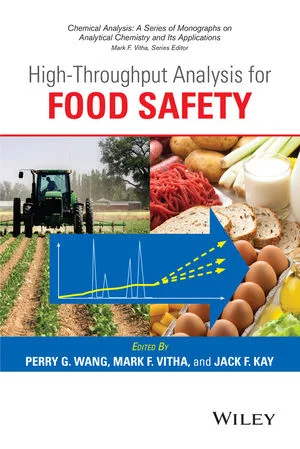
    High Throughput Analysis for Food Safety

See More Products

Related Directories

  • OnSite Food Safety (Microbiologique)

    Rapid, simple gluten and allergen test kits. OnSite® Test Kits require no equipment and are useful for both commercial laboratories and for the food production industry.
  • Association of Food and Drug Officials (AFDO)

    The consensus that AFDO develops is key to advancing uniform laws, regulations, and guidelines that result in more efficient regulation and less confusion among industry in the marketplace. AFDO develops support for its positions by interfacing with high-level regulatory officials, industry representatives, trade associations, and consumer organizations. This continues to have a significant impact on regulations at the federal, state and local level.
  • Microbial Solutions I Charles River

    Charles River provides trusted microbial quality control solutions that help food manufacturers ensure product safety, quality, and regulatory compliance. Its portfolio includes rapid microbial detection, endotoxin testing, microbial identification, laboratory services, and technical expertise designed to improve operational efficiency, reduce contamination risk, and support confident, data-driven food safety decisions.
×

Never miss the latest news and trends driving the food safety industry

Newsletters | Website | eMagazine

JOIN TODAY!
  • RESOURCES
    • Advertise
    • Contact Us
    • Directories
    • Store
    • Want More
  • SIGN UP TODAY
    • Create Account
    • eMagazine
    • Newsletters
    • Customer Service
    • Manage Preferences
  • SERVICES
    • Marketing Services
    • Reprints
    • Market Research
    • List Rental
    • Survey/Respondent Access
  • STAY CONNECTED
    • LinkedIn
    • Facebook
    • Instagram
    • X (Twitter)
  • PRIVACY
    • PRIVACY POLICY
    • TERMS & CONDITIONS
    • DO NOT SELL MY PERSONAL INFORMATION
    • PRIVACY REQUEST
    • ACCESSIBILITY

Copyright ©2026. All Rights Reserved BNP Media, Inc. and BNP Media II, LLC.

Design, CMS, Hosting & Web Development :: ePublishing