Food Safety
search
Ask Food Safety AI
cart
facebook twitter linkedin instagram youtube
  • Sign In
  • Create Account
  • Sign Out
  • My Account
Food Safety
  • NEWS
    • Latest News
    • White Papers
  • PRODUCTS
  • TOPICS
    • Contamination Control
    • Food Types
    • Management
    • Process Control
    • Regulatory
    • Sanitation
    • Supply Chain
    • Testing and Analysis
  • PODCAST
  • EXCLUSIVES
    • Food Safety Five Newsreel
    • eBooks
    • FSM Distinguished Service Award
    • Interactive Product Spotlights
    • Videos
  • BUYER'S GUIDE
  • MORE
    • NEWSLETTERS >
      • Archive Issues
      • Subscribe to eNews
    • Store
    • Sponsor Insights
    • ASK FSM AI
  • WEBINARS
  • FOOD SAFETY SUMMIT
  • EMAG
    • eMagazine
    • Archive Issues
    • Editorial Advisory Board
    • Contact
    • Advertise
  • SIGN UP!
NewsContamination ControlFood TypeChemical ControlMicrobiological ControlMeat/Poultry

Trends in AMR Pathogens in U.S. Poultry From 2015–2023 Suggest Influence of Regional Farming Practices
By Food Safety Magazine Editorial Team
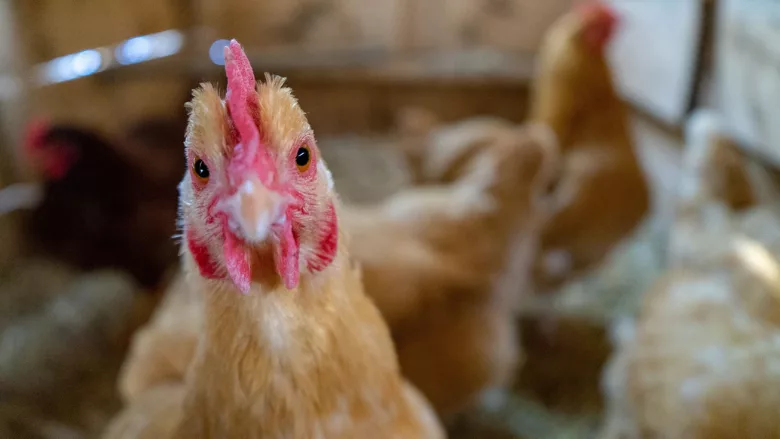
brown chicken looking directly into camera

Image credit: Jazlyn Butler via Unsplash

January 1, 2025

An investigation of antimicrobial resistance (AMR) among important foodborne pathogens isolated from poultry between 2015 and 2023 has revealed certain trends. The study was authored by researchers from Villanova University and Immaculata University.

For the analysis, AMR data for chicken and turkey was extracted from the U.S. National Institutes of Health’s (NIH’s) National Center for Biotechnology Information (NCBI) Pathogen Isolates Browser for the period 2015–2023. The data included pathogens that demonstrated resistance to at least one antimicrobial. The majority of data related to Salmonella enterica, Escherichia coli, Shigella, and Campylobacter jejuni.

The years 2015–2023 were chosen as the reporting period due to significant policy actions taking place during this time, including the launch of the U.S. National Action Plan for Combating Antibiotic-Resistant Bacteria (CARB) in 2015, which greatly enhanced AMR monitoring efforts in sectors like poultry production.

The most prevalent resistant pathogen in both chicken and turkey was S. enterica, present in 64.04 percent and 72.73 percent of cases, respectively. Resistant C. jejuni was much more common in chicken (28.35 percent) than in turkey (1.29 percent), while E. coli and Shigella were more prevalent in turkey (25.98 percent, combined) than in chicken (7.61 percent, combined).

Tetracycline is the antibiotic to which most pathogens in both chicken and turkey samples showed resistance, followed by streptomycin. However, for chickens, sulfisoxazole was the third most resisted antimicrobial, followed by ampicillin and nalidixic acid. For turkey, ampicillin ranked third, followed by sulfisoxazole and gentamicin. Additionally, regional analysis showed that AMR cases in chicken are often concentrated in specific regions, such as Minnesota, while in turkey, the cases are more evenly distributed across the Midwest and other areas of the U.S.

Analysis of the data indicated regional variations in the concentrations of resistant pathogens that highlight the influence of local agricultural practices on pathogen distribution and AMR patterns. Specifically, a significant S. enterica outbreak occurred in the Northeast U.S. in 2019, with high concentrations in New York, Connecticut, Pennsylvania, and Maryland. The outbreak was particularly prominent in chicken samples, but also affected turkey. Outbreaks in other regions, including California, Georgia, New York, and Minnesota, reflect areas where larger human populations may be at greater risk of pathogen exposure through food sources. Additionally, the regional prevalence of C. jejuni in chicken, especially in California and Georgia, aligns with other scientific literature linking high-density poultry farming to increased C. jejuni presence.

Over time, S. enterica was the most prevalent resistant pathogen in both chicken and turkey, peaking in 2015 and 2019. C. jejuni was more common in chicken, showing elevated levels from 2017–2019, while E. coli and Shigella were more prevalent in turkey during 2018–2019. These trends were mirrored in key AMR genes that also peaked in 2019 and decreased significantly by 2022. Similarly, resistance to certain antibiotics followed the same pattern, with a spike in 2019 and a decline by 2022. This alignment across pathogens, genes, and antimicrobials suggests a widespread impact of AMR outbreaks and possible changes in the pathogen spread or detection practices during this period, according to the study's authors.

The researchers note that the decline in AMR after 2019 may have been driven by a combination of improved biosecurity measures and regulatory changes, although the potential impact of the COVID-19 pandemic on AMR surveillance and detection cannot be overlooked.

Looking for quick answers on food safety topics?
Try Ask FSM, our new smart AI search tool.
Ask FSM →


KEYWORDS: AMR Campylobacter E. coli Salmonella Shigella study

Share This Story

Fsm purple logo 200x200

The Food Safety Magazine editorial team comprises Bailee Henderson, Digital Editor ✉ and Adrienne Blume, M.A., Editorial Director.

Recommended Content

JOIN TODAY
to unlock your recommendations.

Already have an account? Sign In

  • people holding baby chicks

    Serovar Differences Matter: Utility of Deep Serotyping in Broiler Production and Processing

    This article discusses the significance of Salmonella in...
    Testing & Analysis
    By: Nikki Shariat Ph.D.
  • woman washing hands

    Building a Culture of Hygiene in the Food Processing Plant

    Everyone entering a food processing facility needs to...
    Sanitation
    By: Richard F. Stier, M.S.
  • graphical representation of earth over dirt

    Climate Change and Emerging Risks to Food Safety: Building Climate Resilience

    This article examines the multifaceted threats to food...
    Contamination Control
    By: Maria Cristina Tirado Ph.D., D.V.M. and Shamini Albert Raj M.A.
Manage My Account
  • eMagazine Subscription
  • Subscribe to Newsletters
  • Manage My Preferences
  • Website Registration
  • Subscription Customer Service

More Videos

Sponsored Content

Sponsored Content is a special paid section where industry companies provide high quality, objective, non-commercial content around topics of interest to the Food Safety Magazine audience. All Sponsored Content is supplied by the advertising company and any opinions expressed in this article are those of the author and not necessarily reflect the views of Food Safety Magazine or its parent company, BNP Media. Interested in participating in our Sponsored Content section? Contact your local rep!

close
  • NEVIFIT 3 Compartment BPA-FREE
    Sponsored byCorbion

    The Risks of Ready-to-Eat: Five Ways to Protect Today's Prepared Meals

  • a group of workers in a food production facility
    Sponsored bySkillUp by Registrar Corp

    How to Build a Better Training Program: Data and Insights from the Global Food Safety Training Survey

  • the use of dual-energy X-ray food inspection technology to identify foreign contaminants.
    Sponsored byEagle by METTLER TOLEDO

    Precision Inspection Starts with the Right X-ray Detector

Popular Stories

green powder/moringa in wooden mortar

FDA Opens Third Salmonella–Moringa Outbreak Investigation of the Year

FoodSafetyMattersFinal-900x550-(002).jpg

Ep. 218. Dr. Brady Carter: Water Activity, Shelf-Life Validation, and Food Safety Controls

lab scientist investigating a strawberry

FDA Modernizes Oversight of Pesticides in Food

a practical guide to spoilage investigation webinar

Events

June 3, 2026

How to Build a Better Food Safety Training Program

Live: June 3, 2026 at 2:00 pm EDT: Join this webinar to learn how AI is impacting food safety training, and how you can leverage AI in your programs.

June 4, 2026

Building a Stronger Food Safety Program in a Changing GFSI Landscape

Live: June 4, 2026 at 11:00 am EDT: Attend this webinar to understand how GFSI requirements are evolving and what those changes signal for quality programs at food and beverage facilities.

June 10, 2026

A Practical Guide to Spoilage Investigation and Prevention

Live: June 10, 2026 at 11:00 am EDT: Join this webinar to learn how to identify spoilage root causes, reduce risk, and apply data-driven strategies for prevention.

View All

Products

Global Food Safety Microbial Interventions and Molecular Advancements

Global Food Safety Microbial Interventions and Molecular Advancements

See More Products

Related Articles

  • chickens sticking heads out of cages on poultry farm

    Rising Campylobacter Infections From Poultry May Lead to Increasing AMR in U.S., Study Suggests

    See More
  • farm veterinarian preparing to administer shot to pig

    Highlighting Most Recent U.S. AMR Trends in Foodborne Pathogens During World AMR Awareness Week

    See More
  • antibotics

    NARMS Releases 2020 Report on AMR Trends in Foodborne Pathogens

    See More

Related Products

See More Products
  • 9781138070912.jpg

    Trends in Food Safety and Protection

  • food-safety-making.jpg

    Food Safety: Making Foods Safe and Free From Pathogens

  • 1119237963.jpg

    Food Safety in China: Science, Technology, Management and Regulation

See More Products
×

Never miss the latest news and trends driving the food safety industry

Newsletters | Website | eMagazine

JOIN TODAY!
  • RESOURCES
    • Advertise
    • Contact Us
    • Directories
    • Store
    • Want More
  • SIGN UP TODAY
    • Create Account
    • eMagazine
    • Newsletters
    • Customer Service
    • Manage Preferences
  • SERVICES
    • Marketing Services
    • Reprints
    • Market Research
    • List Rental
    • Survey/Respondent Access
  • STAY CONNECTED
    • LinkedIn
    • Facebook
    • Instagram
    • X (Twitter)
  • PRIVACY
    • PRIVACY POLICY
    • TERMS & CONDITIONS
    • DO NOT SELL MY PERSONAL INFORMATION
    • PRIVACY REQUEST
    • ACCESSIBILITY

Copyright ©2026. All Rights Reserved BNP Media, Inc. and BNP Media II, LLC.

Design, CMS, Hosting & Web Development :: ePublishing