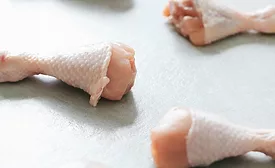
A key component of the project was a field and laboratory study conducted to assess the presence and potential transmission of AMR Campylobacter and Escherichia coli during the processing of chicken in two similar-sized, large-scale UK chicken processing sites.
Conditions like intense Canadian wildfires and high heat and humidity in warming Canadian climates present growing air quality challenges, necessitating proactive and well-thought-out air filtration measures within the food and beverage sector, Camfil Canada says.
American Feed Industry Association criticizes the MAHA Report for unjustly blaming health concerns on modern food and agriculture while ignoring current regulatory systems designed to promote public and animal health.
The news comes on the heels of the Trump Administration’s “Make America Healthy Again” (MAHA) Report specifically citing titanium dioxide as a food chemical potentially having harmful effects on health.
Noting that food hygiene rating schemes are already in operation in several European countries, the Food Safety Authority of Ireland is calling on consumers and food businesses to share their views through an online consultation that will run until June 23, 2025.
Using 1,204 samples collected during 2016–2023, the researchers observed statistically significant reductions in the median time from sample collection to the issuance of a national genomic surveillance report to 26 days, despite sample numbers doubling in 2022 and 2023.
In this episode of Food Safety Matters, we speak to Alex Truelove, Legislation and Policy Manager at the Biodegradable Products Institute (BPI), about a California law that makes big changes to compliance on compostable products, including food packaging, in the state. The law, which goes into effect in 2026, could have a "ripple effect" on the rest of the country.
MSU says the program is ideal for early to mid-career professionals working in regulatory affairs, quality assurance, food safety, product development, or policy.
The UK National Food Crime Unit’s (NFCU's) Control Strategy for 2025–2026 outlines the unit’s current food crime priorities, bringing focus to its efforts to “prevent food crime, deter and disrupt food criminals, and bring offenders to justice.”