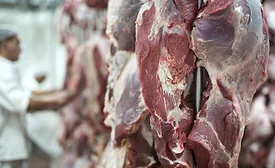
Chinese lawmakers are reviewing a draft amendment to the Food Safety Law addressing key food safety issues and regulatory oversight of the country's food industry.
Ideal for high-throughput processing lines across the convenience food, snacks, bakery, and packaged meat/poultry sectors, the X5DE combines high sensitivity, reduced false rejects, and a robust hygienic design to support modern food safety objectives.
New platform and rebrand represent the next chapter in seafood traceability, combining the value of traceability data, global reach, and anticipated ROI.
New research suggests that the most effective treatments for reducing levels of arsenic in rice are cultivar selection, irrigation management, cooking approach, and the application of selenium or silicon soil amendments.
Researchers at Henley Business School are conducting a global research study on how organizations screen and evaluate new suppliers in food and agri-food supply chains. Your insights will contribute to a broader understanding of current practices and help shape future standards.