CEO Donnie King says the company’s work to eliminate the use of petroleum-based synthetic dyes will be completed by the end of May, much sooner than the timeline provided by the U.S. Department of Health and Human Services.
Food safety experts say the ability to enter and search premises immediately following the arrest of food fraud suspects will make it much more difficult for criminals to dispose of incriminating evidence and cover their tracks.
In a move that could have wide-ranging impacts to the USDA's food safety, nutrition, research, and farm services programs, more than 11,300 employees have signed up for the Trump Administration's second round of deferred resignations.
On May 2, the U.S. Office of Management and Budget sent a discretionary budget request for fiscal year 2026 from the Trump Administration to Congress. The request includes funds to build up the MAHA Commission.
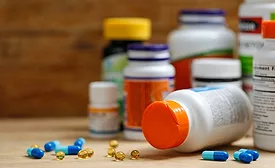
Report looks at concerns surrounding labeling, adulteration, drug interactions, overdose and toxicity, and it also examines regulatory frameworks across various countries and regions.
In the study, a high-throughput analysis system with an analysis time of 13 minutes was developed to detect pesticide residues in corn. Corn samples from different origins were found to contain distinct exogenous pesticide profiles.
In this bonus episode of Food Safety Matters, we speak to Dr. Savannah Applegate, Senior Consultant at Elanco Poultry Food Safety, about the role of diagnostics and testing in poultry food safety and disease management.
On the morning of Thursday, May 15, food safety professionals from across the country will gather for one of the Food Safety Summit's most anticipated events—the 13th Annual Town Hall session titled, "A Candid Dialogue on the Future of Food Safety."