A study demonstrated the toxic effects of exposure to per- and polyfluoroalkyl substances (PFAS) in worms—but not all PFAS were found to be equally toxic, and not all worms experienced the same harms. Identifying which genes cause PFAS susceptibility in both worms and humans could speed up PFAS testing and regulation.
The latest data published by the Swedish Food Agency shows that very few foods on the Swedish market violate EU pesticide residue limits, and more than half of foods tested contained no detectable levels of pesticides at all.
The UK Health Security Agency (UKHSA) recently published its first annual report summarizing infectious disease trends, which noted increases in the incidence of infections by important foodborne pathogens like Escherichia coli, Salmonella, Listeria monocytogenes, Campylobacter, and norovirus.
A coalition of 24 prominent food industry and consumer protection organizations, as well as seven expert individuals, sent a letter to USDA Secretary Brooke Rollins urging her to reinstate two key federal food safety scientific advisory committees, NACMCF and NACMPI.
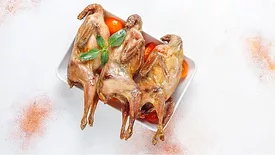
Food Standards Australia New Zealand (FSANZ) has approved its first cell-based food product—quail meat—bringing the product closer to market and establishing a regulatory framework in the national Food Standards Code.
Additional resources and authorities, made possible by user fees for the regulated food industry, could enable FDA to better monitor the food supply and review the safety of ingredients, argues a new expert policy analysis.
A paper authored by experts associated with ILSI Europe asserts that global food safety would benefit from the harmonization of risk assessment protocols for food contact materials used by different regulatory bodies, and suggests a path forward for working toward harmonization.
The European Food Safety Authority (EFSA) has alerted the public that pathogens resistant to last-resort carbapenem antibiotics are increasingly being found in European food animals and food products.
In this episode of Food Safety Matters, we speak to Dr. Edward Dudley, Director of the E. coli Reference Center and Professor of Food Science at Penn State University, about the potential for wastewater monitoring to aid foodborne pathogen surveillance and bolster foodborne illness reporting.
Leveraging Knowde software, ingredients supplier Tilley Distribution has upgraded its digital product catalogue to improve the customer search experience, enabling Tilley customers, including those in the food and beverage industry, to more easily find and procure products they need.