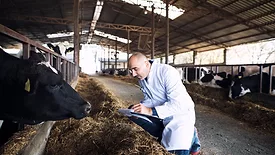
An analysis of a decade of antimicrobial resistance (AMR) surveillance data in foodborne pathogens (i.e., Salmonella, Campylobacter, and Escherichia coli) has identified patterns shaping multidrug resistance (MDR) in food animal production systems.
Contributing to the current conversation around food processing (e.g., “ultra-processed foods”), the Institute for the Advancement of Food and Nutrition Sciences (IAFNS) has published a set of governing principles for food formulation and processing classification systems.
If adopted, the draft regulations would bring mandatory allergen labeling, a new business licensing scheme, and updated food hygiene rules to the British Crown Dependency.
The guidance defines the scientific data required to evaluate if a food additive is safe under the proposed conditions of use as part of new food additive applications in the EU.
Nestlé says that cereulide, the contaminant behind the recall, does not cause meningitis, the illness for which the infant was hospitalized. UK authorities say no cases of illness associated with Nestlé formula have been clinically confirmed.
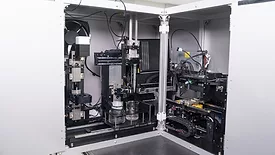
Automating the full pathogen detection workflow into a single device, the test can be operated with the press of a button and is designed for onsite use by non-specialists.
Environmental inhibitors are compounds used in agriculture to reduce greenhouse gas emissions from animals or minimize nitrogen losses in soil. A new FAO report highlights the need for a harmonized approach to risk assessment of these compounds and suggests a potential framework.
Ideal for fresh, ready-to-eat dishes and hot foods, PULPUltra is grease- and oil-resistant, freezer-safe, sustainable, and compliant with new EU regulations for food contact materials.
USDA-FSIS has reissued its guidance on testing for Listeria species other than Listeria monocytogenes in ready-to-eat (RTE) food production facilities to reflect expansions made to the agency’s testing method and enforcement actions.
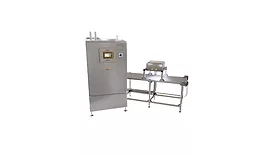
The pulsed light disinfection system is engineered for food processing and packaging environments, with a range of applications from direct irradiation of foodstuffs to package disinfection.

-flag_Kaufdex-via-Pixabay.webp?height=168&t=1768936167&width=275 "Jersey (Island) flag_Kaufdex via Pixabay.png")