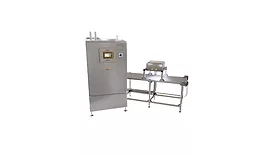
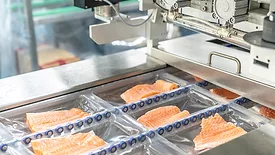
The pulsed light disinfection system is engineered for food processing and packaging environments, with a range of applications from direct irradiation of foodstuffs to package disinfection.
WHO has released a set of updated manuals to help national authorities strengthen foodborne illness outbreak surveillance and response, contributing to faster and more reliable communication and response internationally (i.e., through INFOSAN).
On January 1, three new EU reference laboratories for foodborne and waterborne diseases became officially operational, bringing the total number to nine. These laboratories will help national public health laboratories improve testing, data quality, and outbreak preparedness related to food- and waterborne pathogens.
The resource explores industry-specific challenges, key quality control functions, the best inspection solution for different applications and insertion points, and the role of inspection data.
KROHNE markets its Coriolis flowmeters as applicable to the food industry and especially useful in mass-based operations, recipe formulation, blending applications, and scenarios where ownership changes are transacted.
Supported in part by USDA-NIFA, multidisciplinary researchers and Extension professionals from U.S. land-grant institutions have collaborated under the Enhancing Microbial Safety by Risk Analysis project, completing new research, helping inform policy, and providing education and outreach.
The UK-based Chilled Food Association (CFA) has produced an industry-led good practice guidance for manufacturers and retailers of ready-to-eat (RTE) foods that may support the growth of Listeria monocytogenes to support compliance with UK and EU regulations on the microbiological criteria for foods.
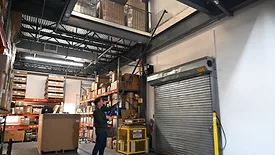
VAC-DIV2-CAMKIT is a remote, extended-reach, high-resolution inspection camera for overhead cleaning and inspection in industries where dust control is critical, such as food processing.
With the goal of helping retail food regulatory programs progress toward achieving FDA’s Retail Program Standards, grant funding supports capacity building, workforce development, and targeted program improvements that strengthen food safety at the retail level.
By increasing the understanding of a molecular “weapon” used by the foodborne pathogen, the project, led by the London School of Hygiene and Tropical Medicine, will support the development of new antimicrobials and vaccine targets to reduce transmission through the food chain.