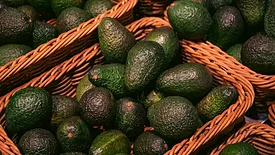
Dr. Alejandro Castillo is looking closely at Listeria contamination in the Mexican–U.S. avocado supply chain. Dr. Matt Taylor is working to help meat and poultry producers validate the microbial safety of their products and ensure regulatory compliance.
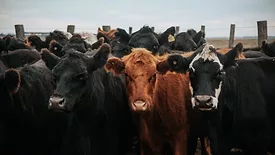
With the hope of developing a user-friendly model, a Center for Produce Safety-funded study is investigating factors that influence Escherichia coli contamination risks posed by concentrated animal feeding operations (CAFO) near produce growing fields.
The way people shop, cook, and seek information is evolving rapidly, and with it, the expectations placed on food safety educators, regulators, and industry partners.
The scientific opinion was published to provide a scientific basis for possible amendments to existing requirements in EU legislation for food business operators on the freezing of meat.
The document clarifies key points about the scope of and compliance with Regulation (EU) 2024/3190, which bans the use of BPA and other hazardous bisphenols in food contact materials on the EU market.
The European Commission has established a task force to strengthen food safety controls for food imports, building upon a broader set of measures announced in December.
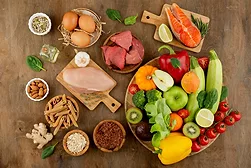
FDA has released the Total Diet Study Interface (TDSi), an interactive, web-based tool that provides streamlined access to findings from FDA's Total Diet Study and highlights the agency's emphasis on food chemical safety.
The Alliance for Advanced Sanitation has launched an industry-wide survey to capture the current state of innovation, manufacturing, and workforce needs across the global food supply chain.
AOAC INTERNATIONAL and the Minor Use Foundation will jointly develop and validate harmonized analytical methods for multi-residue pesticide analysis, particularly for spices and other priority commodities.