Trustwell recently added an Allergen Identification feature to its Genesis Foods platform, which uses artificial intelligence (AI) to recognize and alert users of potential allergens for submitted ingredients, helping inform accurate labeling and potential corrective actions.
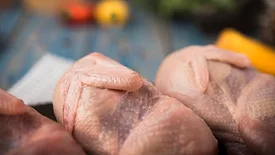
In response to USDA-FSIS’s proposed regulatory framework for Salmonella in raw poultry products, Consumer Reports has called the agency’s suggested enforceable standards “too lax,” and suggests specific changes, such as including S. Infantis as a serotype of public health concern.
A recent study has demonstrated that millions of nano- and microplastics are released by polymer-based commercial tea bags when infused with hot water, and that these plastic particles are readily taken up by human intestinal cells.
To support companies seeking to achieve regulatory compliance in the U.S., Eurofins Healthcare Assurance network of companies now offers a new Good Manufacturing Practices (GMP) certification program for dietary and food supplements.
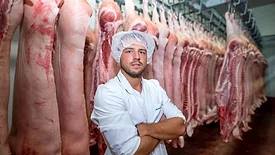
USDA-FSIS has completed swine and poultry line speed studies, finding that workers experienced pain in their upper extremities. FSIS is extending the current swine and poultry line speed waivers for companies that participated in these studies through May 15, 2025.
ReposiTrak and Upshop have partnered to integrate their technology platforms, creating an end-to-end traceability solution by connecting traceability data from the supply chain to the retail store.
Uncovered through a FOIA request, an FDA Form 483 sent to Taylor Farms’ Colorado Springs facility documented questionable food safety and hygiene observations. The release of the FOIA-requested form comes from increased scrutiny following the facility's implication as the supplier of McDonald’s onions that caused an E. coli outbreak in late 2024.
In this episode of Food Safety Matters, we speak to Haley Oliver, Ph.D., Director of the USAID-funded Feed the Future Food Safety Innovation Lab at Purdue University, about her work to improve global food safety through targeted projects in Kenya, Cambodia, Nepal, and beyond.