In response to FDA’s “Deregulatory Plan,” FMI—The Food Industry Association is urging FDA to make revisions to the “burdensome” Food Traceability Final Rule/FSMA 204, which FDA has already delayed by 30 months.
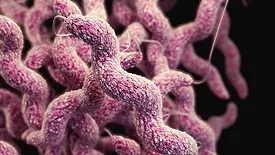
Using an artificial intelligence (AI) model to standardize and analyze a massive, global set of whole genome sequencing (WGS) data for Cronobacter sakazakii, University of Maryland researchers have discovered genetic traits that may explain the pathogen’s persistence and virulence in low-moisture foods like powdered infant formula.
FDA has shared concern about the growing number of edible products containing kratom available for sale online and at retailers like gas stations and smoke shops across the U.S. It has issued warning letters to seven companies for illegally marketing gummies, drinks, and tablets containing the kratom-derived concentrate 7-OH, a “novel, potent opioid.”
The Senate Committee on Appropriations has approved the Fiscal Year (FY) 2026 Agriculture, Rural Development, Food and Drug Administration (FDA), and Related Agencies Appropriations Act, which would restore some FDA funding and address some effects of the Trump Administration on the agency.
The Environmental Working Group’s (EWG’s) 2025 Dirty Dozen list considers pesticide toxicity for the first time. While critics say the list is alarmist and may discourage the consumption of safe fruit and vegetables, EWG argues that “legal does not mean safe” when it comes to pesticide residues.
On July 7, Trump nominee Judge Stephen Vaden was sworn in as the Deputy Secretary of USDA. He previously served as General Counsel to USDA and on the U.S Court of International Trade during President Trump’s first term.
As of July 1, 2025, new EU maximum levels for nickel—a heavy metal known to contaminate food, which can have acute and chronic health effects—went into effect for a range of foods. Additional limits for nickel in cereal will go into effect in July 2026.
A study suggests that some food matrices (i.e., smoked fish and soft cheese) significantly increase the ability of Listeria monocytogenes to adapt, survive digestion, and cause infection. Based on the findings, modulating the fat and protein content in food could be one potential way to reduce L. monocytogenes risk.
Louisiana recently enacted Senate Bill 14, which HHS Secretary Kennedy called a “Make America Healthy Again (MAHA) bill,” targeting more than 40 food ingredients—such as seed oils, food colorings, sweeteners, and other additives—through product label disclosures and public school meal bans.
A survey of produce growers found that seven percent of respondents do not implement food safety risk reduction practices on their farms, reporting time and money to be the biggest challenges. Larger operations and farms subject to third-party audits were more likely to adopt risk reduction practices.