Food Safety
search
Ask Food Safety AI
cart
facebook twitter linkedin
  • Sign In
  • Create Account
  • Sign Out
  • My Account
Food Safety
  • NEWS
    • Latest News
    • White Papers
  • PRODUCTS
  • TOPICS
    • Contamination Control
    • Food Types
    • Management
    • Process Control
    • Regulatory
    • Sanitation
    • Supply Chain
    • Testing and Analysis
  • PODCAST
  • EXCLUSIVES
    • Food Safety Five Newsreel
    • eBooks
    • FSM Distinguished Service Award
    • Interactive Product Spotlights
    • Videos
  • BUYER'S GUIDE
  • MORE
    • NEWSLETTERS >
      • Archive Issues
      • Subscribe to eNews
    • Store
    • Sponsor Insights
    • ASK FSM AI
  • WEBINARS
  • FOOD SAFETY SUMMIT
  • EMAG
    • eMagazine
    • Archive Issues
    • Editorial Advisory Board
    • Contact
    • Advertise
  • SIGN UP!
NewsRegulatoryUSDA

USDA Lost 18 Percent of Workforce in First Six Months of Trump Admin, OIG Reports

By Bailee Henderson
handing in resignation letter
Image credit: Freepik
January 12, 2026

A published report from the Office of the Inspector General (OIG) for the U.S. Department of Agriculture (USDA) reveals that, in the first six months of 2025, the agency lost nearly 20 percent of its workforce (notably including USDA OIG head Phyllis Fong, who was fired in January).

The report, published in December, only provides information through June 2025. Official figures about USDA employee attrition in the last half of the year remain undisclosed.

According to the report, as of January 11, 2025, USDA had 110,384 employees. By June 14, a total of 20,306 employees left the agency, representing approximately 18 percent of the workforce. Of these employees, 15,114 (74 percent of attrition) left under the Deferred Resignation Program, a Trump Administration initiative in early 2025 to reduce the federal workforce by incentivizing voluntary resignation. Another 1,996 otherwise resigned, 1,636 employees were terminated, and 1,280 retired.

Each agency experienced attrition during the period, with workforce reductions ranging from 7–67 percent. For example, the Food Safety and Inspection Service (FSIS) lost 9 percent of its staffers, the Agricultural Research Service (ARS) lost 23 percent, the Animal and Plant Health Inspection Service (APHIS) lost 25 percent, and the National Institute of Food and Agriculture (NIFA) lost 35 percent.

It is well known that USDA and other federal agencies responsible for food safety and public health, such as the U.S. Food and Drug Administration (FDA) and the U.S. Centers for Disease Control and Prevention (CDC), have been affected by major reductions in force since the start of the second Trump Administration. However, the total number of staffers that have been dismissed or left—and which staffers—remains unclear.

The latest report from USDA’s OIG paints an incomplete picture of the situation, especially since it does not account for any employee attrition that has occurred since USDA’s planned reorganization was announced in July 2025. Part of this plan includes the mandatory relocation of USDA staff from the greater Washington D.C. area to offices across the U.S., which will most likely exacerbate the agency’s loss of staff. Agriculture Secretary Brooke Rollins has shared her expectation that as many as 50 percent of USDA’s Washington D.C.-area staff could resign rather than relocate.

The report also does not include any layoffs resulting from the October government shutdown, during which President Trump ordered the dismissal of furloughed federal employees.

Looking for quick answers on food safety topics?
Try Ask FSM, our new smart AI search tool.
Ask FSM →


KEYWORDS: President Trump and food safety industry

Share This Story

Baileehendersonmay23

Bailee Henderson is the Digital Editor of Food Safety Magazine. She can be reached at hendersonb@bnpmedia.com.

Recommended Content

JOIN TODAY
to unlock your recommendations.

Already have an account? Sign In

  • people holding baby chicks

    Serovar Differences Matter: Utility of Deep Serotyping in Broiler Production and Processing

    This article discusses the significance of Salmonella in...
    Food Type
    By: Nikki Shariat Ph.D.
  • woman washing hands

    Building a Culture of Hygiene in the Food Processing Plant

    Everyone entering a food processing facility needs to...
    Management
    By: Richard F. Stier, M.S.
  • graphical representation of earth over dirt

    Climate Change and Emerging Risks to Food Safety: Building Climate Resilience

    This article examines the multifaceted threats to food...
    Risk Assessment
    By: Maria Cristina Tirado Ph.D., D.V.M. and Shamini Albert Raj M.A.
Manage My Account
  • eMagazine Subscription
  • Subscribe to Newsletters
  • Manage My Preferences
  • Website Registration
  • Subscription Customer Service

More Videos

Sponsored Content

Sponsored Content is a special paid section where industry companies provide high quality, objective, non-commercial content around topics of interest to the Food Safety Magazine audience. All Sponsored Content is supplied by the advertising company and any opinions expressed in this article are those of the author and not necessarily reflect the views of Food Safety Magazine or its parent company, BNP Media. Interested in participating in our Sponsored Content section? Contact your local rep!

close
  • Salmonella bacteria
    Sponsored byThermoFisher

    Food Microbiology Testing Methods: Salmonella species

  • a diagram explaining indicator organisms
    Sponsored byHygiena

    How Proactive Listeria Testing Helps Prevent Six- and Seven-Figure Recalls

  • woman grocery shopping
    Sponsored byCorbion

    Designing Safety Into Every Bite: Proactive Risk Mitigation for Refrigerated Foods

Popular Stories

new food pyramid 2026

Eat Real Food: New U.S. Dietary Guidelines Name and Shame ‘Highly Processed Foods’

EU and UK flags

2026 Trends in the EU/UK Food Law Space

microbiologist examining petri dish with microbial colonies

EU Provides Guidance on Shelf-Life Studies to Reflect New Listeria Criteria for RTE Foods

Events

January 27, 2026

Strategies for Reinforcing Food Safety Culture Among Temporary and Seasonal Staff

Live: January 27, 2026 at 2:00 pm EST: From this webinar, attendees will learn common areas where companies encounter challenges in their food defense strategies and how to address them.

May 11, 2026

The Food Safety Summit

Stay informed on the latest food safety trends, innovations, emerging challenges, and expert analysis. Leave the Summit with actionable insights ready to drive measurable improvements in your organization. Do not miss this opportunity to learn from experts about contamination control, food safety culture, regulations, sanitation, supply chain traceability, and so much more.

View All

Products

Global Food Safety Microbial Interventions and Molecular Advancements

Global Food Safety Microbial Interventions and Molecular Advancements

See More Products

Related Articles

  • capitol hill DC

    Federal Workforce Data Reveal Impact of Trump Admin RIFs on USDA Food Safety Expertise

    See More
  • US capitol

    A 2025 Timeline of U.S. Federal Food Safety Changes Under the Trump Admin

    See More
  • many different fruit and veg

    USDA Reports 99 Percent of Foods Tested in 2024 Complied with Pesticide Residue Tolerances

    See More

Related Products

See More Products
  • 9781498721776.jpg

    Handbook of Food Processing: Food Safety, Quality, and Manufacturing Processes

  • 1444333348.jpg

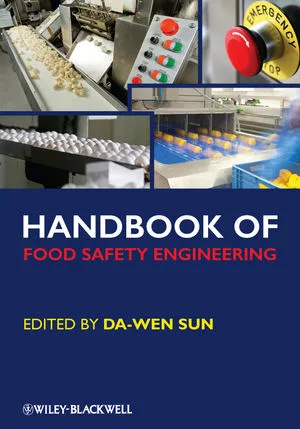
    Handbook of Food Safety Engineering

  • 9781138070912.jpg

    Trends in Food Safety and Protection

See More Products

Related Directories

  • Instant Recall LLC

    Instant Recall automates best practice workflows, data analysis and regulatory reporting for mock recalls, product holds, withdrawals, and recalls for the food industry. Learn why the food industry consistently chooses us as the shared solution for food recall preparedness, recall communications execution, and cost recovery!
  • Institute of Food Technologists

    Since 1939, the Institute of Food Technologists (IFT) has served as the voice of the global food science community. IFT advocates for science, technology, and research to address the world’s greatest food challenges, guiding our community of more than 200,000. IFT convenes professionals from around the world – from producers and product developers to innovators and researchers across food, nutrition, and public health – with a shared mission to help create a global food supply that is sustainable, safe, nutritious, and accessible to all. IFT provides its growing community spanning academia, industry, and government with the resources, connections, and opportunities necessary to stay ahead of a rapidly evolving food system as IFT helps feed the minds that feed the world. For more information, please visit ift.org.
  • ETQ, part of Hexagon

    ETQ Reliance is the world’s most flexible, powerful & easy-to-use advanced Quality Management System. Automate & standardize all aspects of quality, from document control, training, CAPA, audits, supply chain & more. Benefit from improved compliance, enhanced reputation, reduced costs, speed to market & visibility into your supply chain.
×

Never miss the latest news and trends driving the food safety industry

Newsletters | Website | eMagazine

JOIN TODAY!
  • RESOURCES
    • Advertise
    • Contact Us
    • Directories
    • Store
    • Want More
  • SIGN UP TODAY
    • Create Account
    • eMagazine
    • Newsletters
    • Customer Service
    • Manage Preferences
  • SERVICES
    • Marketing Services
    • Reprints
    • Market Research
    • List Rental
    • Survey/Respondent Access
  • STAY CONNECTED
    • LinkedIn
    • Facebook
    • Instagram
    • X (Twitter)
  • PRIVACY
    • PRIVACY POLICY
    • TERMS & CONDITIONS
    • DO NOT SELL MY PERSONAL INFORMATION
    • PRIVACY REQUEST
    • ACCESSIBILITY

Copyright ©2026. All Rights Reserved BNP Media.

Design, CMS, Hosting & Web Development :: ePublishing