Researchers observed inflammatory responses, gut barrier damage, and immune effects relevant to allergy development in experiments with two emulsifiers, soy lecithin and DATEM. Study author Dr. Cezmi Akdis said the findings support a more comprehensive framework for evaluating food additive safety.
Participants argued that reductions in listeriosis will require implementation of fundamental preventive controls, true “seek and destroy” efforts, and risk-based approaches. Dose-response models suggesting that low contamination may confer low risk were also discussed.
This episode of Food Safety Five discusses new research on avocado oil authenticity in processed foods, the effects of nanoplastics on bacterial biofilms in drinking water systems, factors influencing Listeria monocytogenes persistence on plastic food contact surfaces, and stress-adaptation traits that may help E. coli persist from farm to fork.
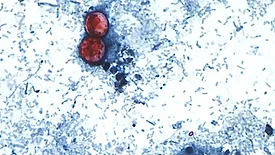
There are an additional six cyclosporiasis outbreaks under investigation and thousands more Cyclospora cases reported by CDC and states. Two deaths have been reported. Stakeholders are urging an end to the Food Traceability Rule delay.
The legislation comes ahead of an impending end-of-year deadline set in the FY 2026 appropriations bill that is expected to remove most currently marketed intoxicating, hemp-derived THC beverages from the legal market by the end of 2026 through the closure of a loophole created by the 2018 Farm Bill.
Federally defining UPFs could allow U.S. regulatory agencies to pursue specific policies for the category. The importance of processing versus nutrient content and formulation in causing diet-related chronic diseases, as well as the value of defining UPFs, has been heavily debated.
Importantly, the proposal would not establish a premarket review and approval process for GRAS substances. Companies could still independently conclude that a substance is GRAS and market it while FDA evaluates the notice.
Democratic Ranking Member Rep. Robert Garcia cited media reports about alleged private meetings between Taylor Farms and White House and FDA officials, the company’s donations to Trump PACs ahead of the Food Traceability Rule delay, and its “contradictory and confusing” public statements about the cyclosporiasis outbreak.
At least 1,947 people infected with Cyclospora who had exposure to Taco Bell have been reported in nine states. Michigan and Ohio are together reporting more than 10,000 cyclosporiasis cases. FDA is investigating three other outbreak clusters.
Several senators have written letters to U.S. Health Secretary Kennedy urging Cyclospora surveillance to be restored to the FoodNet program. Experts say that FoodNet cuts, although problematic, did not cause the current outbreak.