Recognizing World Food Safety Day (WFSD) 2026 and the new estimates on the global burden of foodborne disease, WHO’s Elaine Borghi, Ph.D. discusses the development of the estimates and how they can be used to drive effective interventions that meaningfully improve food safety and public health.
The New York bill is awaiting the Governor’s signature, while the California bill advances from the Assembly to the Senate. The bills would require baby food and infant formula manufacturers to regularly test their products for toxic heavy metals and disclose results.
FDA did not identify deficiencies in ByHeart’s production facilities that could explain the outbreak, but a powdered milk ingredient did test positive for C. botulinum. ByHeart is developing an action plan based on data generated from the investigations.
The World Health Organization (WHO) has released its anticipated updated global burden of foodborne disease estimates, which suggest that 42 microbiological and chemical hazards caused approximately 866 million illnesses and 1.52 million deaths in 2021.
The latest data from the UK Health Security Agency (UKHSA) show that the number of Campylobacter and Salmonella infections in England remained high or increased in 2025, while listeriosis cases stayed stable from the previous year.
This episode of Food Safety Five discusses new research on the use of cold plasma technologies for biofilm inactivation and reducing allergenic risk, deriving more accurate “sell by” dates based on microbial changes on meat, and ultra-processed food nutrition and purchasing realities.
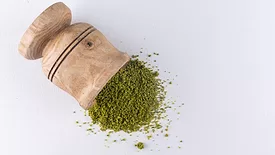
The agency has also reopened a previously closed Salmonella outbreak investigation linked to powdered moringa supplements, with 22 new reported illnesses in four additional states.
On May 26, Vermont Governor Phil Scott signed into law two bills related to food chemical safety; specifically, the nation’s first state-level ban on paraquat (H.739) and legislation setting heavy metals testing and disclosure requirements for baby food manufacturers (H.536).
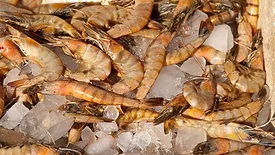
Highlighting contaminated seafood as a particular concern, the Destruction of Hazardous Imports Act answers FDA’s request for the authority to destroy food imports that do not pass safety inspections at the border, preventing importers from “port shopping” their unsafe products.
A series of first-of-their-kind, large-scale epidemiological studies have suggested associations between food dyes—both “natural” and artificial—and preservatives, and an increased risk of chronic health conditions like cancer, type 2 diabetes, hypertension, and cardiovascular disease.