This episode of Food Safety Five discusses new research linking sorbitol to fatty liver disease, studies suggesting potential health risks associated with both “natural” and artificial color additives, and a major collection of papers examining the health impacts, policy, and marketing practices behind ultra-processed foods (UPFs).
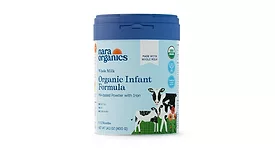
Three babies in three states have been sickened in the second infant botulism outbreak identified since late-2025. All patients were fed Nara Organics Whole Milk Infant Formula. A recall has been issued, and product testing is underway.
The EU has implemented increased checks on certain food imports at the border, and has also introduced new certificate requirements for shipments of oysters, clams, mussels, scallops, and other aquaculture products from the U.S. due to veterinary drug use restrictions.
As the agency continues to delay enforcement of Salmonella verification testing for not-ready-to-eat, breaded and stuffed chicken products, Consumer Reports is asking for evidence to support USDA-FSIS’ assertion that currently available test methods are not suitable, which contradicts the agency’s previous stance.
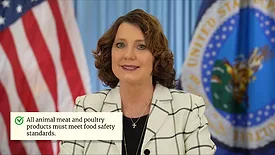
USDA Under Secretary for Food Safety Dr. Mindy Brashears, in collaboration with the Partnership for Food Safety Education, is calling on food safety educators nationwide to help dispel misinformation about the safety of the food supply amid the current New World Screwworm infestation.
Following the adoption of EU regulations in 2021 that set food safety culture requirements for food business operators, a European Commission survey conducted in 2025 showed that countries’ progress and approach toward culture official controls are varied, with significant difficulties reported.
The WHO Advisory Group on Pesticide Specifications supports the evaluation of scientific dossiers to inform the development of WHO specifications for public health pesticides.
Moringa oleifera seed extract could potentially serve as a sustainable alternative to conventional alum coagulants for microplastic removal in drinking water treatments, while also allowing for process simplification and cost savings.
A series of tabletop exercises led by FDA and involving food companies across the supply chain revealed industry’s progress and challenges in meeting the requirements of the Food Traceability Rule/FSMA 204.
 RSS
RSS