A new study demonstrated the efficacy of far-UV-C light at 222 nm for inactivating human norovirus on surfaces. As it is safe for humans, researchers believe UV-C 222 could enable real-time, continuous disinfection in enclosed foodservice settings and food processing environments.
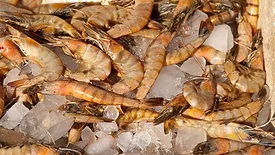
Highlighting contaminated seafood as a particular concern, the Destruction of Hazardous Imports Act answers FDA’s request for the authority to destroy food imports that do not pass safety inspections at the border, preventing importers from “port shopping” their unsafe products.
FDA published a literature review on the eight phthalates currently approved for food contact uses to determine whether they should be considered chemically and/or pharmacologically related for the purpose of cumulative risk assessment.
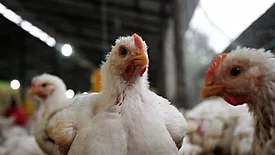
Campylobacter is the leading cause of foodborne illness in the UK, most frequently linked to contaminated chicken. The UK Food Standards Agency conducted a scientific assessment to consider possible future actions for reducing foodborne campylobacteriosis.
Polycyclic aromatic hydrocarbons (PAHs) are potentially carcinogenic compounds formed during high-heat cooking. An emerging testing method known as QuEChERS—which stands for “Quick, Easy, Cheap, Effective, Rugged, and Safe”—is designed to overcome the limitations of conventional PAH tests.
Due to the increased consumption of energy drinks and other caffeinated products among young people, the Swedish National Food Agency (Livsmedelsverket) is introducing dietary guidelines for children and adolescents' caffeine consumption.
Young child formula, commonly referred to as “toddler milk,” is widely marketed for use in young children’s diets. FSANZ assessments indicate there is a need for greater regulatory clarity to ensure product composition, labeling, and representation consistency.
FAO, WHO, and the Codex Coordinating Committees for Africa and the Near East led a training with more than 350 participants from the Africa, Near East, and Eastern Mediterranean regions, focused on participation in Codex standard-setting work.
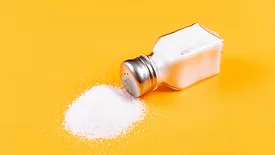
A new study led by the University of Toronto and supported by IAFNS highlights a critical tension in sodium reduction policy, in that many of the foods contributing most to sodium intake also provide essential nutrients.
A letter signed by Senator Amy Klobuchar and 24 others asks USDA to consider the impacts of its recently announced plans to restructure and relocate its Research, Education, and Economics Mission Area, including ARS and NIFA.
 RSS
RSS