The findings, based on a novel approach and published in Nature Health, suggest that traditional chemical safety assessments may overlook combined exposures and real-life environmental conditions. Transcriptomic analysis implicated a non-genotoxic mode of action by which pesticides interfere with normal cell function and identity processes.
The E. coli outbreak involving Raw Farm unpasteurized dairy products has ended with one raw cheese sample matching isolates from a different 2025 outbreak. In an April 29 hearing, Congresspeople questioned whether U.S. Health Secretary Kennedy influenced FDA’s failure to mandate a recall.
Conducted by NEHA and FDA, a survey of more than 2,700 retail food handlers has revealed strong food safety knowledge overall, with room for improvement in certain areas. The findings support recommendations for enhancing training programs.
None of the exposures to the five additives and flavorings assessed presented a health concern for the EU population. The pilot helped identify shortcomings in the monitoring framework that will be rectified for future reports.
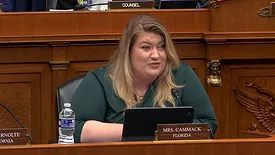
In an April 29 Congressional hearing considering 28 active food safety bills, U.S. Representatives and witnesses from industry and consumer protection groups debated federal preemption of state food safety laws, GRAS and chemical ingredient oversight, and FDA–state
information-sharing during outbreaks.
Samples were tested for arsenic, cadmium, lead, mercury, PFAS, pesticides, and phthalates/plasticizers. When toxic heavy metals were detected in some samples, it was at levels far below EPA drinking water limits.
Improvements in national food safety infrastructure by the 17 countries included in the analysis would cost an estimated $492 million USD over ten years, but would avert 19 million cases of foodborne illness and 13,000 associated deaths, generating a value of $23 billion.
According to the European Commission, NGTs have the potential to contribute to sustainable agri-food systems and help respond to food security challenges. The new rules would separate plants developed through NGTs from legislation applying to GMOs.
The Federal and State Food Safety Information Sharing Act of 2026 would give FDA the authority to shareinformation with state and local regulatory agencies with shared responsibility for protecting public health.
 RSS
RSS