In this episode of Food Safety Matters, we speak to Brittney Miller, President of Manchester Farms, about how America's first quail farm applies HACCP, SQF certification, and a strong food safety culture to specialty poultry production, while exploring the unique challenges, opportunities, and future of food safety in the sector.
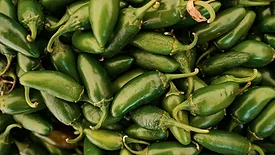
The fast-casual Mexican-style restaurant chain has pulled the jalapeños from its restaurants and replaced them with product from different growers, out of "an abundance of caution."
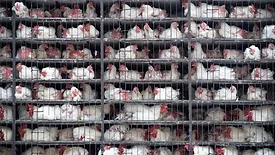
Transport cages are recognized as a potential source of cross-contamination in poultry slaughterhouses. The optimal washing water temperature and detergent concentration completely eliminated detectable Salmonella while greatly reducing indicator organisms. The identified parameters may improve food safety and operational efficiency.
The growing collection includes scientific publications and guidances on detection and viability methods, agricultural water monitoring and treatment, mitigation strategies, and the biology and epidemiology of the parasite.
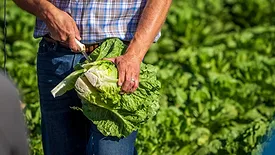
Developed by the University of New Hampshire and the University of Maine Extension with USDA-NIFA support, the peer-to-peer microlearning video series grew out of years of on-the-ground, individualized farm visits, hands-on technical assistance, and the trust that develops from working closely with a farmer.
The new features are designed to support corrective action management from initial investigation through resolution and to facilitate coordination among quality teams, production personnel, suppliers, and external stakeholders.
FreshTag Flight Label is intended to support airline Food Safety Management Systems and Quality Management Systems by providing a visual indication of cumulative time-temperature exposure.
This episode of Food Safety Five highlights new research on cold storage practices for fresh-cut produce, food safety perspectives among small-scale produce growers exempt from FDA's FSMA Produce Safety Rule, and water management strategies that reduce arsenic in rice.
The co-occurrence of biofilm formation, acid tolerance, and antimicrobial resistance genes in E. coli isolatedfrom irrigation water, soil, and crops could complicate downstream microbial control efforts in produce production systems.
 RSS
RSS