The Packaging and Packaging Waste Regulation (PPWR) limits PFAS in food packaging, bans single-use plastics for fruit and vegetables under a certain weight, and sets forth other changes, with compliance deadlines beginning as early as August 2026.
Following the EU ban on BPA in food contact materials (FCMs), which specified FCM manufacturing applications where other “hazardous” bisphenols may be used, EFSA issued a draft statement on related safety data requirements.
The “Future of Food Regulation” initiative will explore several reforms, such as a new, data-informed approach to regulating large food businesses and proposals to make the Food Hygiene Rating display mandatory in England.
Expected to take effect by the end of 2027 after stakeholder consultations, the regulation, modeled after the EU’s Single-Use Plastics directive, would prohibit items like plastic cutlery, plates, and straws. Future phases would enforce further requirements for other articles.
In this episode of Food Safety Matters, we speak to UK food law expert Chris McGarvey about the implications of dynamic UK/EU regulatory trends and how businesses can navigate changing legislation related to trade, food substances, novel foods and technologies, and allergen labeling.
A key cause of the outbreak was determined to be contaminated eggshells used in poultry feed. Cross-sector collaboration and data-sharing were instrumental in solving the investigation.
No U.S. Salmonella outbreaks linked to Mexican papayas have been identified since 2020 thanks to collaborative efforts between regulators and industry in both countries. The case study could serve as a framework for improving food safety in other commodities and global supply chains.
The changes affect registration and licensing rules for food business operators, including specific reforms for street vendor registration, that aim to simplify compliance and reduce regulatory burden. A new technology-enabled, risk-based inspection system has also been introduced.
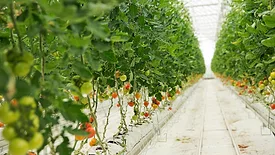
The report groups new food production technologies like precision fermentation, controlled environment agriculture, and cell-culturing by their expected impact and feasibility to help regulators and industry target evidence generation, guidance development, and regulatory preparedness efforts.
 RSS
RSS