Canada Proposes Foods Derived From Cloned Cows, Pigs Should No Longer be Regulated as ‘Novel’
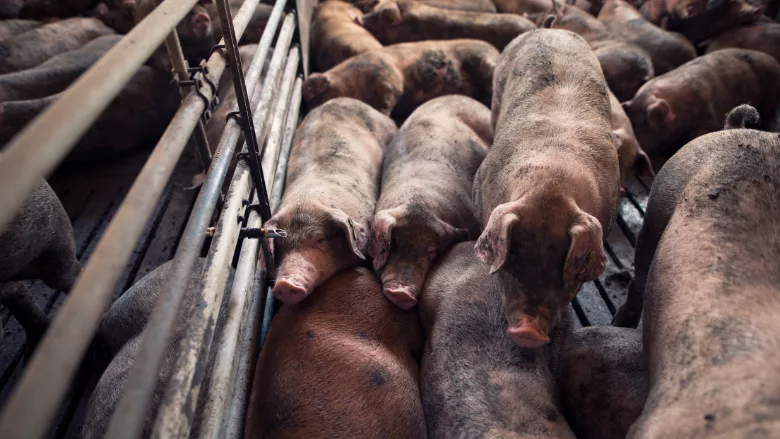
Health Canada has determined that foods derived from cloned cattle and swine should no longer be considered novel foods, and has proposed policy revisions that would regulate these foods in the same manner as those from traditionally bred animals.
In 2003, Health Canada put in place an interim policy on foods derived from somatic cell nuclear transfer (SCNT) clones and their offspring, which defined these foods as "novel foods" in the federal Food and Drug Regulations (FDR), thereby subjecting these foods to novel foods regulations, such as mandatory pre-market assessments, under FDR Division 28, Part B.
Since 2003, Canadian public health agencies have evaluated new scientific evidence about the safety of SCNT cattle and swine clones. In a 2023 scientific opinion, Health Canada determined that foods derived from healthy cattle and swine clones and their offspring are as safe as foods from traditionally bred animals. This conclusion is consistent with the opinions of other countries’ food regulatory bodies such as the U.S. Food and Drug Administration (FDA), the European Food Safety Authority (EFSA), the Japan Food Safety Commission, and the New Zealand Food Safety Authority.
Under the proposed policy change, manufacturers, producers, and importers of SCNT cattle- and swine-derived foods and meat will be responsible for ensuring their products comply with the same food safety legislation that applies to their products’ traditional counterparts.
The policy update does not apply to foods derived from SCNT clones of any other animals that are not cattle or swine. They will continue to be considered “novel” and require a mandatory pre-market safety assessment.
Looking for quick answers on food safety topics?
Try Ask FSM, our new smart AI search tool.
Ask FSM →