In a new report, FAO assessed mycotoxin contamination in food and feed across the region and highlighted disparities in national regulatory frameworks, laboratory capacities, and surveillance systems, as well as the increasing impact of climate change on contamination risks.
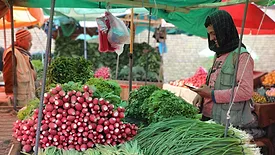
According to the review, microbiological and chemical food safety hazards in the country are exacerbated by inadequate water and sanitation infrastructure, limited regulatory oversight, and food insecurity.
The guidancewas developed following the EU’s ban on BPA in food-contact materials and describes the data requirements for the safety assessment of other bisphenols used in specific food-contact applications.
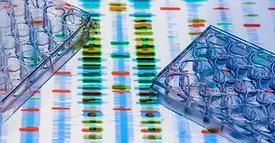
Whole genome sequencing is a mature, reliable technology with significant potential for the food industry, but realizing its benefits requires organizations to strategically weigh risks, applications, and persistent legal and regulatory barriers to adoption.
The Food Standards Australia New Zealand (FSANZ) Board approved an application to permit the use of cell-cultured duck biomass in combination with other ingredients to make products such as foie gras and pâté.
Published by the UK Food Standards Agency and Food Standards Scotland, this is the third package of guidance for businesses developing cell-cultivated food products, produced by the ongoing Cell-Cultivated Products Sandbox Program.
Adopted by the Pan American Health Organization (PAHO), the strategy sets goals to increase the number of countries in the region conducting foodborne illness surveillance, making food safety decisions informed by risk assessments, and participating in regional cooperation and coordination.
The Swedish Food Agency published its annual report on food controls for 2025, which noted an increase in the number of food inspections from the previous year, but also noted areas for improvement.
The Safe Food, One Future Conference, taking place in Parma, Italy in the fall, will mark the European Food Safety Authority’s (EFSA’s) 25th anniversary and the launch of its new Strategy 2034.
A new paper outlines the scientific capabilities and investments that will be necessary to keep pace with food system innovation, emerging risks, and changing EU policy while supporting risk assessment. The paper will inform EFSA's forthcoming Strategy 2034.
 RSS
RSS