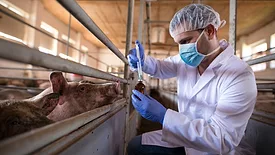
USDA-FSIS released a notice in late June that it plans to extend its H5N1 Influenza A Dairy Cow Testing Program until September 30. Meanwhile, the EU released a new guidance document on preparedness, prevention, and response for avian flu in animals and food.
A major highlight of the event was the launch of UNIDO’s new Food Safety Approach 2.0, which integrates the most recent best practices and international standards to support Member States in the modernization of their national food control systems.
Developing a continental food safety data hub with a rapid alert mechanism, a traceability system, and regional centers will be critical to the agency getting up and running.
A new Shared Assessment Process (SAP) allows food developers to submit an application for joint assessment by both agencies. By removing duplication, the process aims to cut down approval times while upholding each country’s safety standards.
In this episode of Food Safety Matters, we speak to Christian Ararat, a seasoned food safety and quality professional with a global perspective, about a range of topics, including auditing, traceability, certifications, exporting to the U.S., and artificial intelligence (AI). We also hear from Joseph Corby, the recipient of Food Safety Magazine’s 2025 Distinguished Service Award, about his illustrious career and advocacy work.
Food safety experts say the ability to enter and search premises immediately following the arrest of food fraud suspects will make it much more difficult for criminals to dispose of incriminating evidence and cover their tracks.
Report looks at concerns surrounding labeling, adulteration, drug interactions, overdose and toxicity, and it also examines regulatory frameworks across various countries and regions.
In a new opinion, the European Food Safety Authority (EFSA) is proposing to modify the existing maximum residue limits (MRLs) for agricultural chemical chlormequat in oats, as well as in the products of food-producing animals.
To combat food fraud and reduce instances of scombroid poisoning due to histamine contamination, a new European Commission draft regulation would tighten regulations for freezing tuna onboard vessels.