The notice formalizes proposed reorganization plans that surfaced in April 2025 amid the federal government-wide RIFs and the mass overhaul of HHS that occurred shortly after President Trump took office, spearheaded by DOGE.
At least 1,947 people infected with Cyclospora who had exposure to Taco Bell have been reported in nine states. Michigan and Ohio are together reporting more than 10,000 cyclosporiasis cases. FDA is investigating three other outbreak clusters.
The Brix level for Florida oranges has been steadily declining over the past few decades due to severe weather and citrus greening, making it challenging to meet the original Standard of Identity (SOI) for pasteurized orange juice, which was established in 1963.
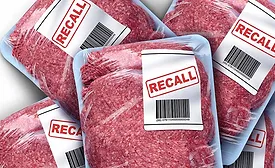
Given the headlines coming out of 2025, it would be reasonable to expect a shift in recall patterns in the food industry. Yet, looking past the headlines and into the numbers, 2025 remained remarkably consistent with the past decade of recall trends, in terms of count and cause.
The outbreak cluster includes more than 1,600 people in Indiana, Kentucky, Michigan, Ohio, and West Virginia. Outside of the outbreak cluster, Michigan and other parts of the U.S. continue to experience elevated rates of Cyclospora infections compared to previous years.
Food-related priorities under the four pillars include post-market ingredient safety reviews, GRAS reform, food labeling modernization, and reducing dietary exposure to contaminants like toxic heavy metals.
Because dietary supplements are regulated by FDA as a subcategory of food, manufacturers are generally not required to demonstrate their safety or efficacy for pre-market approval. The American College of Physicians argues this allows adulterated and mislabeled products to enter the market.
The letter to industry was issued in response to the botulism outbreaks linked to Nara Organics and ByHeart formulas, which identified Clostridia in the whole milk powder ingredient supply chain, as well as the global formula recall due to cereulide-contaminated arachidonic acid oil.
 RSS
RSS