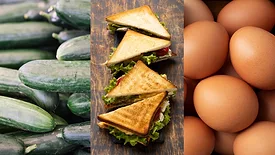
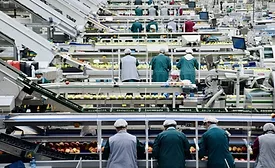
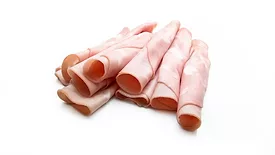
Although gluten is not one of the Big 9 major food allergens, USDA inspectors will now verify that establishments producing meat, poultry, and egg products are accurately controlling and labeling gluten similar to the Big 9 major food allergens.
FDA has introduced two resources designed to improve public access to information about concluded foodborne illness outbreak investigations: Executive Incident Summary (EIS) Abstracts and Foodborne Outbreak Overview of Data (FOOD) Reports for historic pathogen-commodity pairs.
Imagine a seemingly minor labeling error causing a nationwide recall, costing a food manufacturer millions, and damaging consumer trust. Undeclared allergens, incorrect nutritional information, and illegible date codes are just a few packaging mistakes that can trigger costly and reputation-damaging events.
The European Food Safety Authority (EFSA) has released its 2025 Eurobarometer Survey on Food Safety in the EU, which gauges the awareness and perceptions of EU food safety systems and risks among European citizens.
The UK Food Standards Agency’s (FSA’s) Market Authorization Innovation Research Program (IRP) is aimed at helping UK authorities efficiently regulate emerging food production technologies—especially precision fermentation—while supporting businesses and innovation.
The changes are intended to reduce burdens on farmers, industry, and national authorities. A major outcome of the amendments would be a reduced time to market for agricultural biocontrol products.
The Australian Pesticides and Veterinary Medicines Authority has proposed to suspend registered approvals for dimethoate products on berries after new dietary exposure estimates suggested a potential human health risk.
In a September 17 hearing before the Senate HELP Committee, former CDC Director Dr. Susan Monarez, alongside now-resigned top CDC scientific expert Dr. Debra Houry, described the current climate at the agency and the circumstances surrounding Dr. Monarez’s termination.
Grape Software’s Grape INSPECT is purpose-built for UK Environmental Health Officers, to make food hygiene inspections easier and faster as the nation struggles to keep up with the number of businesses due for inspection.
The Congressional Food Safety Caucus, headed by U.S. Representative Rosa DeLauro, has requested that Boar’s Head representatives appear before the caucus to justify the reopening of its Jarratt, Virginia plant, where the meats behind a deadly 2024 Listeria outbreak were produced.
 RSS
RSS