Food Safety
search
Ask Food Safety AI
cart
facebook twitter linkedin
  • Sign In
  • Create Account
  • Sign Out
  • My Account
Food Safety
  • NEWS
    • Latest News
    • White Papers
  • PRODUCTS
  • TOPICS
    • Contamination Control
    • Food Types
    • Management
    • Process Control
    • Regulatory
    • Sanitation
    • Supply Chain
    • Testing and Analysis
  • PODCAST
  • EXCLUSIVES
    • Food Safety Five Newsreel
    • eBooks
    • FSM Distinguished Service Award
    • Interactive Product Spotlights
    • Videos
  • BUYER'S GUIDE
  • MORE
    • ENEWSLETTER >
      • Archive Issues
      • Subscribe to eNews
    • Store
    • Sponsor Insights
    • ASK FSM AI
  • WEBINARS
  • FOOD SAFETY SUMMIT
  • EMAG
    • eMagazine
    • Archive Issues
    • Editorial Advisory Board
    • Contact
    • Advertise
  • SIGN UP!
NewsFood TypeRegulatoryReady-to-eatFDA

Regan-Udall Report Supports FDA Infant Formula Safety Efforts

By Food Safety Magazine Editorial Team
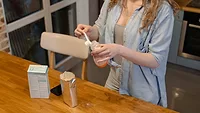
infant formula powder bottle
Image credit: Towfiqu barbhuiya via Pexels
November 11, 2025

The Reagan-Udall Foundation for the U.S. Food and Drug Administration (FDA) has released a report, titled, Infant Formula Roundtable Series Report on Cross-sector Stakeholder Insights, capturing key insights from a series of four moderated roundtable discussions on infant formula safety held in September 2025. The discussions convened a diverse group of stakeholders—including public health experts, manufacturers, researchers, and caregivers—to provide input on the safety, quality, and regulation of infant formula in the U.S.

The roundtables were designed to support FDA’s ongoing efforts under “Operation Stork Speed,” an initiative launched in May 2025 with the U.S. Department of Health and Human Services (HHS) to enhance infant formula safety and resiliency. In 2022, safety concerns regarding powdered infant formula potentially contaminated by Cronobacter sakazakii led to a voluntary recall of specific lots of powdered infant formula products manufactured at Abbott Nutrition's facility in Sturgis, Michigan. This recall, combined with the overall strains on supply chains experienced during the COVID-19 pandemic, led to a powdered infant formula shortage that revealed several vulnerabilities and underscored the importance of strengthening systems to safeguard the safety and availability of this essential product.

Overall, roundtable discussion participants emphasized the importance of maintaining the high safety and nutritional standards already required for U.S.-marketed infant formulas, and urged caution when implementing regulatory changes to avoid unintended impacts on product availability and affordability. They also underlined the need for concerted public communication and education efforts to counter misinformation and build consumer trust, and emphasized the value of ongoing cross-sector collaboration.

The discussions focused on three priority areas: comprehensive nutrient review, contaminants and heavy metals, and labeling and marketing claims.

Modernizing Nutrient Standards

There was broad consensus on the need to update FDA’s nutrient requirements for infant formula, last comprehensively reviewed in 1998. Stakeholders supported incorporating functional health outcomes, such as neurodevelopment and microbiome health, into regulatory evaluations. They also called for the establishment of maximum nutrient levels (e.g., manganese, calcium, phosphorus) and emphasized the importance of considering all sources of nutrient exposure, including water and supplements.

Recommendations included:

  • Routine nutrient reviews every four years
  • Post-market monitoring of updated standards
  • Separate regulatory pathways for novel ingredients
  • Increased funding for infant nutrition research.

Addressing Contaminants and Heavy Metals

Stakeholders expressed concern over the lack of enforceable limits for heavy metals in infant formula and urged FDA to expand its Closer to Zero initiative to include infant formula products in its scope. Participants highlighted the need for:

  • Clear, evidence-based contaminant limits
  • Transparent communication strategies
  • Visual tools (e.g., color-coded indicators) to convey safety information
  • Education for families using non-standard water sources.

Trusted messengers, such as pediatricians and public health professionals, were identified as critical to effective risk communication about contaminants in infant formula.

Stakeholders suggested that harmonization with international standards, such as those created by Codex Alimentarius, the European Food Safety Authority (EFSA), and the World Health Organization (WHO), could provide a framework for reference and act as a starting point for establishing limits. However, participants expressed caution and stressed the need to align with U.S.-based exposure risks and to distinguish between toxicology-based thresholds and market-driven standards.

Improving Labeling and Claims Oversight

Participants called for stronger oversight of marketing claims such as “gentle,” “closer to breast milk,” and “all natural,” which are often unregulated and potentially misleading. There was strong support for:

  • Standardizing efficacy claims with scientific substantiation
  • Aligning regulations for toddler drinks with those for infant formulas
  • Enhancing label accuracy through third-party audits
  • Using plain language and consumer-friendly ingredient names.

A public, FDA-managed database of approved formulas was proposed to improve transparency and help families make informed choices.

Looking for quick answers on food safety topics?
Try Ask FSM, our new smart AI search tool.
Ask FSM →


KEYWORDS: infant formula labeling Reagan-Udall Foundation report toxic heavy metals

Share This Story

Fsm purple logo 200x200

The Food Safety Magazine editorial team comprises Bailee Henderson, Digital Editor ✉; Adrienne Blume, M.A., Editorial Director; and Stacy Atchison, Publisher.

Recommended Content

JOIN TODAY
to unlock your recommendations.

Already have an account? Sign In

  • people holding baby chicks

    Serovar Differences Matter: Utility of Deep Serotyping in Broiler Production and Processing

    This article discusses the significance of Salmonella in...
    Methods
    By: Nikki Shariat Ph.D.
  • woman washing hands

    Building a Culture of Hygiene in the Food Processing Plant

    Everyone entering a food processing facility needs to...
    Training
    By: Richard F. Stier, M.S.
  • graphical representation of earth over dirt

    Climate Change and Emerging Risks to Food Safety: Building Climate Resilience

    This article examines the multifaceted threats to food...
    Risk Assessment
    By: Maria Cristina Tirado Ph.D., D.V.M. and Shamini Albert Raj M.A.
Manage My Account
  • eMagazine Subscription
  • Subscribe to eNewsletter
  • Manage My Preferences
  • Website Registration
  • Subscription Customer Service

More Videos

Sponsored Content

Sponsored Content is a special paid section where industry companies provide high quality, objective, non-commercial content around topics of interest to the Food Safety Magazine audience. All Sponsored Content is supplied by the advertising company and any opinions expressed in this article are those of the author and not necessarily reflect the views of Food Safety Magazine or its parent company, BNP Media. Interested in participating in our Sponsored Content section? Contact your local rep!

close
  • Salmonella bacteria
    Sponsored byThermoFisher

    Food Microbiology Testing Methods: Salmonella species

  • a diagram explaining indicator organisms
    Sponsored byHygiena

    How Proactive Listeria Testing Helps Prevent Six- and Seven-Figure Recalls

  • woman grocery shopping
    Sponsored byCorbion

    Designing Safety Into Every Bite: Proactive Risk Mitigation for Refrigerated Foods

Popular Stories

food Safety Assurance

eBook | Food Safety Assurance for Dairy and Low-Moisture Foods

grocery shelves fda logo overlay

FDA Urges Industry to Improve Recall Efficiency After Delay in Removing ByHeart Formula from Stores

US flag on building

Bill to Create New U.S. Food Safety Agency Reintroduced

Events

January 27, 2026

Strategies for Reinforcing Food Safety Culture Among Temporary and Seasonal Staff

Live: January 27, 2026 at 2:00 pm EST: From this webinar, attendees will learn common areas where companies encounter challenges in their food defense strategies and how to address them.

May 11, 2026

The Food Safety Summit

Stay informed on the latest food safety trends, innovations, emerging challenges, and expert analysis. Leave the Summit with actionable insights ready to drive measurable improvements in your organization. Do not miss this opportunity to learn from experts about contamination control, food safety culture, regulations, sanitation, supply chain traceability, and so much more.

View All

Products

Global Food Safety Microbial Interventions and Molecular Advancements

Global Food Safety Microbial Interventions and Molecular Advancements

See More Products

Related Articles

  • white powder with fda logo overlay

    FDA Prevention Strategy to Enhance Infant Formula Food Safety Supports Elevating Cronobacter Infection to Nationally Notifiable Disease

    See More
  • baby eating baby food and holding baby biscuit

    FDA Shares Recall Communication Improvement Efforts, Encourages Transparency From Infant Formula and Baby Food Industry

    See More
  • half full baby bottle next to rubber duckie on white surface

    Federal Report Gives FDA Nine Recommendations to Improve Infant Formula Oversight

    See More

Related Products

See More Products
  • 1119160553.jpg

    Food Safety: Innovative Analytical Tools for Safety Assessment

  • 1119053595.jpg

    Food Safety for the 21st Century: Managing HACCP and Food Safety throughout the Global Supply Chain, 2E

  • 1119237963.jpg

    Food Safety in China: Science, Technology, Management and Regulation

See More Products

Related Directories

  • We R Food Safety Inc.

    Scalable, affordable and fully customizable software designed by industry experts and backed by a world-class team of consultants and support personnel. Our proprietary software modernizes your food safety systems, provides your staff real-time data and visibility. We have the ability to construct custom reporting providing you information that is important to your business.
  • Plum Safety

    Plum Safety Training and Hospitality Consultants provide Environmental Health, Safety, and Food Safety solutions. Certified Food Protection Manager Certification, TiPS Responsible Alcohol Certification, Allergen & Gluten-Free Certification, CPR/AED & First Aid Certification. 3rd Party Inspections and Audits. Authorized OSHA Instructor. Lead HACCP Instructor. HACCP plan development & training.
  • RONCO Safety

    RONCO Safety is a world-class manufacturer of Personal Protective Equipment (PPE). Our trusted distribution network delivers products to end-users striving to comply with safety standards for both their employees and their work processes. RONCO’s “Hand, Head and Body” protection solutions are designed to minimize risk for workers and maintain a safe and healthy occupational environment in a variety of industries.
×

Never miss the latest news and trends driving the food safety industry

eNewsletter | Website | eMagazine

JOIN TODAY!
  • RESOURCES
    • Advertise
    • Contact Us
    • Directories
    • Store
    • Want More
  • SIGN UP TODAY
    • Create Account
    • eMagazine
    • eNewsletter
    • Customer Service
    • Manage Preferences
  • SERVICES
    • Marketing Services
    • Reprints
    • Market Research
    • List Rental
    • Survey/Respondent Access
  • STAY CONNECTED
    • LinkedIn
    • Facebook
    • Instagram
    • X (Twitter)
  • PRIVACY
    • PRIVACY POLICY
    • TERMS & CONDITIONS
    • DO NOT SELL MY PERSONAL INFORMATION
    • PRIVACY REQUEST
    • ACCESSIBILITY

Copyright ©2025. All Rights Reserved BNP Media.

Design, CMS, Hosting & Web Development :: ePublishing