Between 1,600 and 5,000 people are sick in a five-state cyclosporiasis outbreak, according to CDC and Michigan officials. Iceberg lettuce supplied by Taylor Farms of Mexico to companies like Taco Bell and Walmart has been identified as the vehicle of infection. FDA has rescinded a previous positive product sample finding.
The outbreak cluster includes more than 1,600 people in Indiana, Kentucky, Michigan, Ohio, and West Virginia. Outside of the outbreak cluster, Michigan and other parts of the U.S. continue to experience elevated rates of Cyclospora infections compared to previous years.
The Center for Produce Safety (CPS)-funded study also found that some produce items may naturally inhibit Listeria monocytogenes growth and that peracetic acid may sometimes promote Listeria growth during storage.
Researchers from Purdue University conducted focus groups with Indiana produce growers who qualified for exemptions from the Food Safety Modernization Act Produce Safety Rule, examining the beliefs and practical constraints that shape on-farm food safety practices.
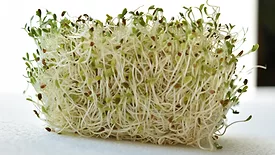
Traceability investigations identified a common seed supplier, with implicated alfalfa seeds imported from India and distributed throughout Europe. Available evidence suggested the seeds were likely contaminated before entering the EU.
Each operating company retains its name, people, customer relationships, and local presence while gaining access to shared resources, broader sourcing strength, operational support, and additional capabilities.
Wageningen University researchers developed a hybrid machine learning modeling framework that considers crop growth stages, various future scenarios, and a large geographic region. The model predicted deoxynivalenol will present the greatest risk, with coastal countries, the UK, and northern France most affected.
Studies funded by the Center for Produce Safety (CPS) are investigating ways to improve produce packinghouse brush sanitation, including the use of antimicrobial light and choosing the best time to replace brushes.
In this bonus episode of Food Safety Matters, we speak to Jenny Du, Ph.D., Co-Founder of Apeel Sciences, about Apeel—a clean alternative to traditional post-harvest produce coatings and treatments—and its transparent approach to disrupting an $11 billion industry.
 RSS
RSS