Although UV-C was effective against Salmonella, E. coli, and Listeria monocytogenes under most conditions, pathogen regrowth during refrigerated storage was significant. The findings suggest UV-C may be a useful post-harvest intervention when used in combination with other measures.
This episode of Food Safety Five discusses the Environmental Working Group’s 2026 “Dirty Dozen” list of the most “pesticide-contaminated produce,” including ongoing debate over the list’s methodology and its relevance to food safety and public health.
Redacted details include the importer of the implicated mangoes, the country in which the mangoes were grown, and the number and names of states in which outbreak cases were reported.
The Center for Produce Safety-funded project aims to generate practical guidance for produce growers, including improved sampling approaches to determine whether groundwater is influenced by surface water, and immediately actionable recommendations for mitigating microbial contamination and biofilms in irrigation systems.
This article looks at food safety in hydroponic agriculture, including interventions used in hydroponic crop production to control pathogenic contamination.
The Environmental Working Group’s 2026 Shopper’s Guide to Pesticides in Produce highlights PFAS pesticides for the first time. Although EWG recently updated its methodology, scientists argue it still does not consider key exposure science and risk assessment principles, therefore misleading consumers about the health risks of conventionally grown produce.
No U.S. Salmonella outbreaks linked to Mexican papayas have been identified since 2020 thanks to collaborative efforts between regulators and industry in both countries. The case study could serve as a framework for improving food safety in other commodities and global supply chains.
The Achyut Adhikari Research Group is conducting several projects focused on preventive, FSMA-aligned strategies to reduce microbiological risks during pre-harvest and processing of produce, including hydroponic production, manure fertilizer treatment, food-contact surface sanitation, and antimicrobial packaging development.
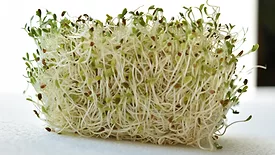
This article examines the frequent contamination of fresh produce (e.g., cucumber and sprouts due to recent outbreaks linked to these foods) with Salmonella and Shiga toxin-producing Escherichia coli.
Providing evidence for potential Produce Safety Rule standards, the assessment examined how pathogens survive in untreated biological soil amendments of animal origin (BSAAO) and contaminate produce. FDA found that longer time between BSAAO application and harvest significantly reduces crop contamination.