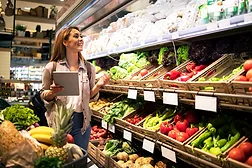
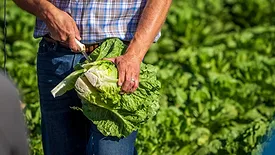
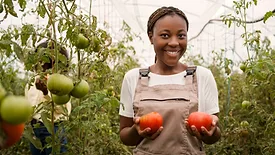
Fresh produce travels through several layers of the supply chain, and it is important to understand how produce is kept safe in transit. Wholesale distributors play a critical role in safeguarding produce, whether it is storing product in their warehouse or transporting it to customers. This article breaks down what happens to produce as it makes its way from the farm to consumers' plates.
The growing collection includes scientific publications and guidances on detection and viability methods, agricultural water monitoring and treatment, mitigation strategies, and the biology and epidemiology of the parasite.
Developed by the University of New Hampshire and the University of Maine Extension with USDA-NIFA support, the peer-to-peer microlearning video series grew out of years of on-the-ground, individualized farm visits, hands-on technical assistance, and the trust that develops from working closely with a farmer.
By the same time last year, CDC had only reported 249 confirmed, domestically acquired Cyclospora infections across the entire U.S. States’ reports may include both probable and confirmed cases.
The Brix level for Florida oranges has been steadily declining over the past few decades due to severe weather and citrus greening, making it challenging to meet the original Standard of Identity (SOI) for pasteurized orange juice, which was established in 1963.
Between 1,600 and 5,000 people are sick in a five-state cyclosporiasis outbreak, according to CDC and Michigan officials. Iceberg lettuce supplied by Taylor Farms of Mexico to companies like Taco Bell and Walmart has been identified as the vehicle of infection. FDA has rescinded a previous positive product sample finding.
The outbreak cluster includes more than 1,600 people in Indiana, Kentucky, Michigan, Ohio, and West Virginia. Outside of the outbreak cluster, Michigan and other parts of the U.S. continue to experience elevated rates of Cyclospora infections compared to previous years.
The Center for Produce Safety (CPS)-funded study also found that some produce items may naturally inhibit Listeria monocytogenes growth and that peracetic acid may sometimes promote Listeria growth during storage.
Researchers from Purdue University conducted focus groups with Indiana produce growers who qualified for exemptions from the Food Safety Modernization Act Produce Safety Rule, examining the beliefs and practical constraints that shape on-farm food safety practices.
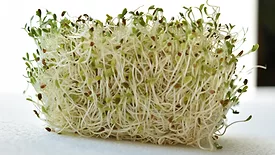
Traceability investigations identified a common seed supplier, with implicated alfalfa seeds imported from India and distributed throughout Europe. Available evidence suggested the seeds were likely contaminated before entering the EU.
 RSS
RSS