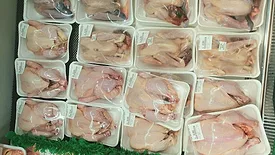
A study of Salmonella isolated from retail poultry meat has demonstrated a concerning presence of antimicrobial resistance (AMR) genes with the ability to transfer between bacteria.
Using a newly developed quantitative microbial risk assessment (QMRA) model, researchers have identified interventions along the U.S. romaine lettuce supply chain that would most effectively reduce E. coli contamination. The QMRA is publicly available for use.
Food Standards Australia New Zealand (FSANZ) has approved Arla Foods Ingredients’ application for the use of its milk fat globule membrane (MFGM) as a nutritive ingredient in infant formula products.
The Ensuring Safe and Toxic-Free Foods Act of 2025 would set stricter requirements for manufactures to decide a food ingredient is “Generally Recognized as Safe” (GRAS). It also sets an annual quota of GRAS notices for FDA to review, and lays the groundwork for a systematic chemical reassessment process.
The European Food Safety Authority (EFSA) recently completed an assessment of estragole—a naturally occurring genotoxin and carcinogen—in fennel seed preparations, concluding that consumption of fennel seed preparations may be toxic to infants, children, and fetuses. EFSA is seeking public comment.
At the July 15 grand opening event for the new USDA-FSIS Midwestern Food Safety Laboratory in Missouri, U.S. Secretary of Agriculture Brooke Rollins teased the agency’s new food safety policy plan aimed at reducing foodborne illness.
FDA has shared concern about the growing number of edible products containing kratom available for sale online and at retailers like gas stations and smoke shops across the U.S. It has issued warning letters to seven companies for illegally marketing gummies, drinks, and tablets containing the kratom-derived concentrate 7-OH, a “novel, potent opioid.”
USDA Food Safety and Inspection Service (USDA-FSIS) laboratories now use an improved enrichment method for Campylobacter in poultry meat samples, which reduced enrichment incubation time by half, and shaved a day off of reporting times for results.
Following FDA’s announcement of its intent to end the use of artificial food colorants—largely by relying on voluntary action by industry—the agency has authorized a fourth petition for a naturally sourced food dye, Gardenia Blue. FDA is also reminding industry that even “natural” colorants must be approved by the agency.
The European Food Safety Authority (EFSA) has published a report that investigates the occurrence of 21 active substances frequently detected on organic products that are approved for use in plant protection products, but are not allowed in organic food production.
 RSS
RSS