Rollins said she will exercise USDA’s authority to provide a “much-needed” funding increase of $14.5 million in reimbursements to states for meat and poultry inspection programs.
A new Shared Assessment Process (SAP) allows food developers to submit an application for joint assessment by both agencies. By removing duplication, the process aims to cut down approval times while upholding each country’s safety standards.
According to FDA, between 2018 and 2025, 42 people were sickened and 14 died across 21 states after consuming Listeria monocytogenes-contaminatedSysco Imperial and Lyons ReadyCare Frozen Supplemental Shakesthat wereserved at long-term care facilities and hospitals.
In 2024, UKHSA investigated seven listeriosis outbreaks across England and Wales, linked to various food products including smoked fish, chocolate and strawberry mousse, garlic sausage and pre-packed sandwiches.
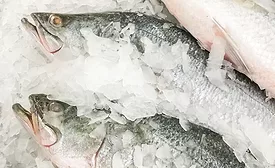
As part of its ongoing public awareness initiatives, the Saudi Food and Drug Authority has released information detailing common types of food poisoning linked to fish consumption and crucial preventive measures to protect public health.
Consumer purchase records were successfully used for hypothesis generation in the outbreak investigation and provided a critical foundation for traceback activities.
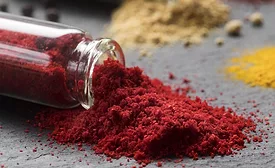
Announcement comes on heels of April 22 press conference regarding the agency’s focus on phasing out petroleum-based synthetic dyes in the nation’s food supply.
CEO Donnie King says the company’s work to eliminate the use of petroleum-based synthetic dyes will be completed by the end of May, much sooner than the timeline provided by the U.S. Department of Health and Human Services.
The current campaign to require a cancer warning on alcohol containers will likely be hampered by the complex and thorny congressional action required to update the health warning statement. Nonetheless, alcohol industry members will need to carefully implement public relations, legislative, and litigation strategies to respond to this emphasis on the potential harms related to alcohol consumption.
 RSS
RSS