The UK Government’s PFAS Plan addresses human dietary exposure and food and water contamination, environmental monitoring, potentially restricting PFAS uses, and other actions.
Responding to the global infant formula recall affecting products from Nestlé, Danone, and other producers, the European Food Safety Authority (EFSA) has determined concentrations of cereulide in formula that pose a safety concern to guide risk management decisions that protect public health.
Following a global recall of infant formula products due to cereulide toxin contamination, EU officials are taking steps to prevent illnesses from cereulide-tainted formula in the future. Cases of mild illness associated with recalled product have been reported in Europe.
The document clarifies key points about the scope of and compliance with Regulation (EU) 2024/3190, which bans the use of BPA and other hazardous bisphenols in food contact materials on the EU market.
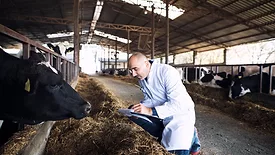
An analysis of a decade of antimicrobial resistance (AMR) surveillance data in foodborne pathogens (i.e., Salmonella, Campylobacter, and Escherichia coli) has identified patterns shaping multidrug resistance (MDR) in food animal production systems.
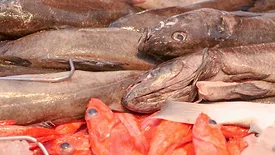
An international study has shown that European seafood is high in PFAS, and that fish exports expose consumers in regions of the world with otherwise low levels of pollution to harmful “forever chemicals.”
The guidance defines the scientific data required to evaluate if a food additive is safe under the proposed conditions of use as part of new food additive applications in the EU.
Nestlé says that cereulide, the contaminant behind the recall, does not cause meningitis, the illness for which the infant was hospitalized. UK authorities say no cases of illness associated with Nestlé formula have been clinically confirmed.
Environmental inhibitors are compounds used in agriculture to reduce greenhouse gas emissions from animals or minimize nitrogen losses in soil. A new FAO report highlights the need for a harmonized approach to risk assessment of these compounds and suggests a potential framework.
 RSS
RSS