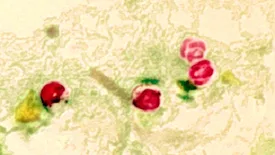
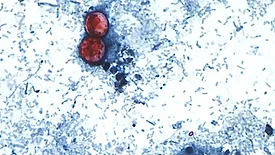
Cases decreased by 27.2 percent from the previous year. Although Cryptosporidium can be transmitted through routes other than food, the parasite can enter the food supply through contaminated irrigation water and contact with excrement during cultivation, harvesting, and handling.
Antimicrobial resistance (AMR) is recognized as a crucial threat to global public health. Antimicrobial use in animal agriculture can contribute to the emergence and spread of increasingly drug-resistant foodborne pathogens, impacting human medicine.
There are an additional six cyclosporiasis outbreaks under investigation and thousands more Cyclospora cases reported by CDC and states. Two deaths have been reported. Stakeholders are urging an end to the Food Traceability Rule delay.
Four Salmonella Enteritidis ST11 outbreaks identified in France between May and July 2026 were linked to homemade egg-based foods and traced to a common egg distribution network in Poland. The same Polish food group was implicated in another multinational salmonellosis outbreak in 2016–2020.
Launching with the X12 LightningBuild X-ray inspection system and C31 LightningBuild checkweigher, the LightningBuild program offers delivery of select product inspection systems within four weeks of purchase order.
The microbiological quality of most ready-to-eat (RTE) plant-based meat, dairy, and fish substitutes was satisfactory, but elevated levels of pathogens and indicators in some commodities raised process and hygiene concerns. An analysis of the products’ physico-chemical properties suggested they could support microbial growth.
The researchers determined that probabilistic modeling could help food businesses capitalize on existing scientific data to map processing and formulation conditions for controlling non-proteolytic C. botulinum in refrigerated, processed foods of extended durability.
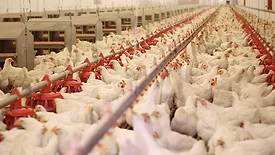
Oxford University researchers found that the expansion of dense, industrial chicken farming created conditions that enabled Campylobacter strains to spread, mix, and acquire traits that could improve their survival in poultry production environments.
The Icon X-ray and Checkweigher Combination System features algorithmic foreign material detection, real-time product flow monitoring, IA+ filtering technology, configurable reject systems, a passive X-ray cooling generator, and data management and system oversight capabilities.
 RSS
RSS