Food Safety
search
Ask Food Safety AI
cart
facebook twitter linkedin instagram youtube
  • Sign In
  • Create Account
  • Sign Out
  • My Account
Food Safety
  • NEWS
    • Latest News
    • Sponsored Insights
    • Sponsored White Papers
  • PRODUCTS
  • TOPICS
    • Contamination Control
    • Food Types
    • Management
    • Process Control
    • Regulatory
    • Sanitation
    • Supply Chain
    • Testing and Analysis
  • PODCAST
  • EXCLUSIVES
    • Food Safety Five Newsreel
    • eBooks
    • FSM Distinguished Service Award
    • Interactive Product Spotlights
    • Videos
  • BUYER'S GUIDE
  • MORE
    • NEWSLETTERS >
      • Archive Issues
      • Subscribe to eNews
    • Store
    • ASK FSM AI
  • WEBINARS
  • FOOD SAFETY SUMMIT
  • EMAG
    • eMagazine
    • Archive Issues
    • Editorial Advisory Board
    • Contact
    • Advertise
  • SIGN UP!
NewsContamination ControlFood TypeSupply ChainMicrobiological ControlMeat/PoultryGrowers/GAPs

Study Links Industrial Poultry Farming to Increased Spread, Adaptation of Campylobacter
By Food Safety Magazine Editorial Team
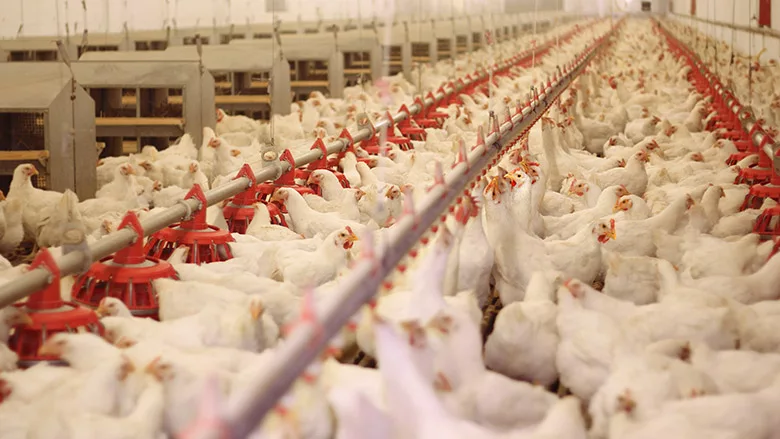
Chicken farming
Image credit: Branex/iStock/Getty Images Plus via Getty Images
August 12, 2026

A new genomic study has linked the global expansion of industrial poultry farming to a more than 100-fold increase in the movement of Campylobacter strains, enabling bacteria historically associated with wild birds to circulate and mix extensively within commercial chicken populations.

Published in the Proceedings of the National Academy of Sciences, the study was conducted by researchers from the Ineos Oxford Institute for Antimicrobial Research. The researchers analyzed nearly 2,800 Campylobacter genomes collected from chickens and wild birds in 30 countries, including the U.S. and UK, between 1979 and 2024.

Campylobacter is a major bacterial cause of diarrheal illness worldwide. According to the researchers, rising antimicrobial resistance (AMR) among Campylobacter is also making infections increasingly difficult to treat.

Expansion of Poultry Production Created Opportunities for Campylobacter Spread

Since the 1960s, the global chicken population has increased sevenfold to approximately 31 billion birds, and chickens now account for around 70 percent of global bird biomass.

The researchers found that the expansion of chicken farming created conditions that enabled Campylobacter strains to spread, mix, and acquire traits that could improve their survival in poultry production environments.

Using genomic analysis, the researchers identified genetic changes associated with Campylobacter adaptation to chickens. These included genes involved in AMR, oxidative stress tolerance, metal acquisition, and motility.

“Industrial farming has created one of the largest animal habitats on the planet,” said Sam Sheppard, Ph.D., Professor of Microbial Genomics and Evolution at the University of Oxford and senior author of the study. “Our findings provide new evidence that human-driven environmental change can increase the spread of infectious diseases.”

Looking for quick answers on food safety topics?
Try Ask FSM, our new smart AI search tool.
Ask FSM →

According to Dr. Sheppard, as chicken populations have grown, bacteria that were previously largely confined to wild birds have had more opportunities to enter poultry flocks, spread, and become established.

Large Poultry Populations May Act as ‘Pathogen Sponges’

The study suggested that large, densely populated chicken flocks may act as ecological “pathogen sponges,” absorbing and amplifying bacterial strains originating from multiple sources.

Mathematical modeling showed that when chicken populations reached a critical scale, strains originating in wild birds could become self-sustaining within poultry populations, even when the strains were poorly adapted to chickens.

A previous study conducted by the Ineos Oxford Institute, the UK Food Standards Agency (FSA), and other collaborators found that 80 percent of human Campylobacter infections in Oxfordshire, England were associated with poultry meat, and that many of the infections were resistant to antibiotics.

“As Campylobacter strains adapt to life in poultry, they can acquire traits that help them survive in challenging environments, including traits linked to antimicrobial resistance,” said Oakem Kyne, a D.Phil. student at the University of Oxford and first author of the study.

The researchers asserted that understanding how intensive poultry farming influences bacterial evolution could help inform efforts to reduce the burden of foodborne disease, zoonotic disease, and AMR.


KEYWORDS: Campylobacter Oxford University study

Share This Story

Fsm purple logo 200x200

The Food Safety Magazine editorial team comprises Bailee Henderson, Director of Content Strategy and news editor ✉, and Adrienne Blume, M.A., Director of Editorial and Industry Engagement.

Recommended Content

JOIN TODAY
to unlock your recommendations.

Already have an account? Sign In

  • people holding baby chicks

    Serovar Differences Matter: Utility of Deep Serotyping in Broiler Production and Processing

    This article discusses the significance of Salmonella in...
    Food Type
    By: Nikki Shariat Ph.D.
  • woman washing hands

    Building a Culture of Hygiene in the Food Processing Plant

    Everyone entering a food processing facility needs to...
    Food Prep/Handling
    By: Richard F. Stier, M.S.
  • graphical representation of earth over dirt

    Climate Change and Emerging Risks to Food Safety: Building Climate Resilience

    This article examines the multifaceted threats to food...
    Contamination Control
    By: Maria Cristina Tirado Ph.D., D.V.M. and Shamini Albert Raj M.A.
Manage My Account
  • eMagazine Subscription
  • Subscribe to Newsletters
  • Manage My Preferences
  • Website Registration
  • Subscription Customer Service

More Videos

Sponsored Content

Sponsored Content is a special paid section where industry companies provide high quality, objective, non-commercial content around topics of interest to the Food Safety Magazine audience. All Sponsored Content is supplied by the advertising company and any opinions expressed in this article are those of the author and not necessarily reflect the views of Food Safety Magazine or its parent company, BNP Media. Interested in participating in our Sponsored Content section? Contact your local rep!

close
  • Man In Warehouse
    Sponsored byRentokil

    Mitigating Hidden Rodent Risks in Food Facilities

  • an industrial manufacturing or processing facility
    Sponsored bybioMérieux

    Get Ahead of Spoilage in Food Manufacturing with Metagenomics for Preventive Monitoring

  • an automated industrial production line used in a modern food factory
    Sponsored byIFC

    A Formula for Food Processing Pest Management

Popular Stories

assortment of processed food- chips candy cookies soda fries ketchup

Regulatory Updates: GRAS Proposed Rule Clears OMB Review; FDA Sends UPF Whitepaper to OIRA

wheat grain and bread

Bill Introduced to Amend FD&C Act to Require Gluten Labeling for Barley, Rye, Oats

pharmaceuticals on a plate with a fork and knife

What if We Treated Food Like Medicine? Bringing Pharmacovigilance Thinking to Food Safety in the Age of AI

building a skilled workforce ebook

Events

August 25, 2026

Don’t Wing It: Bird Control for Food Processing Facilities

Live: August 25, 2026 at 2:00 pm EDT: This webinar will cover why managing bird activity should be a priority for your business, the complexities involved in effective bird control, and proactive strategies to help protect your facility.

September 1, 2026

Seafood Under the Microscope: FDA HACCP, Pathogen Risk, and Modern Testing Strategies

Live: September 1, 2026 at 2:00 pm EDT: Attend this webinar to learn how environmental monitoring, rapid pathogen detection, and risk-based testing strengthen seafood safety programs.

September 2, 2026

From Crisis to Control: A Listeria Elimination Journey in Food Manufacturing

Live: September 2, 2026 at 2:00 pm EDT: This webinar shares a real-world case study of a food processing facility that solved a persistent Listeria challenge after standard protocols fell short.

View All

Products

Global Food Safety Microbial Interventions and Molecular Advancements

Global Food Safety Microbial Interventions and Molecular Advancements

See More Products

Related Articles

  • Woman eating chips and drinking soda

    Study Links Diets High in Ultra-Processed Foods to Increased Heart Attack, Stroke Risk

    See More
  • chicken in outdoor pen

    Study Links High Winds to Campylobacter Spread on Chicken Farms

    See More
  • one chicken

    Study Explores Temporal Implications of Campylobacter Prevalence of Poultry, Human Outbreaks

    See More

Related Products

See More Products
  • 9781498721776.jpg

    Handbook of Food Processing: Food Safety, Quality, and Manufacturing Processes

  • 1444333348.jpg

    Handbook of Food Safety Engineering

  • Food-Forensics-3D.jpg

    Food Forensics Handbook Practice, Instrumentation, Case Studies

See More Products

Related Directories

  • PLM TrustLink®

    PLM TrustLink® is a comprehensive software platform for tracking & tracing food throughout the supply chain. From origin to destination, PLM TrustLink® utilizes unique product markers to provide transparency, traceability, and trust of key data elements through critical tracking events. The PLM TrustLink® solution delivers real-time actionable data to improve operational efficiency, food safety and regulatory compliance for customers.
  • Fayette Industrial

    At Fayette, we understand that cleanliness in your meat, poultry, pork, or ready-to-eat facility isn't just about passing inspections - it's about protecting your entire business. Our specialized contract sanitation services are tailored to your specific processing environment with rigorous pathogen prevention protocols and audit preparation that exceed regulatory standards.
  • Recall InfoLink Inc.

    Recall InfoLink is a subscription software that makes recall process management easier and more effective. The cloud platform enables companies across the supply chain to easily distribute recall information, track progress in real time, generate reports for compliance needs, and complete modernized mock recall exercises.
×

Never miss the latest news and trends driving the food safety industry

Newsletters | Website | eMagazine

JOIN TODAY!
  • RESOURCES
    • Advertise
    • Contact Us
    • Directories
    • Store
    • Want More
  • SIGN UP TODAY
    • Create Account
    • eMagazine
    • Newsletters
    • Customer Service
    • Manage Preferences
  • SERVICES
    • Marketing Services
    • Reprints
    • Market Research
    • List Rental
    • Survey/Respondent Access
  • STAY CONNECTED
    • LinkedIn
    • Facebook
    • Instagram
    • X (Twitter)
  • PRIVACY
    • PRIVACY POLICY
    • TERMS & CONDITIONS
    • DO NOT SELL MY PERSONAL INFORMATION
    • PRIVACY REQUEST
    • ACCESSIBILITY

Copyright ©2026. All Rights Reserved BNP Media, Inc. and BNP Media II, LLC.

Design, CMS, Hosting & Web Development :: ePublishing