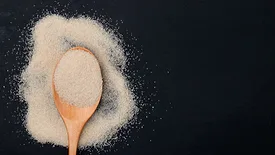
JEMRA convened in June to review the latest scientific evidence on microbiological hazards that have recently been associated with public health events due to the contamination of powdered infant formula or its ingredients.
The 102nd meeting of the Joint FAO/WHO Expert Committee on Food Additives (JECFA) took place in June 2026 in Nanjing, China. Key outcomes included the establishment of new, temporary acceptable daily intakes (ADIs) for two substances.
The plan establishes the Codex Alimentarius Commission’s priorities for the next six years to strengthen the development of international food safety and quality standards while considering evolving and emerging global challenges.
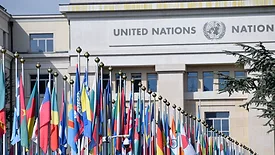
Other standards adopted during the 49th Session of the Codex Alimentarius Commission (CAC49), taking place July 6–10 in Geneva, Switzerland, relate to controlling Salmonella and Campylobacter in chicken and Listeria monocytogenes in RTE foods, revisions to food additive use levels, and more.
The Danish Annual Report on Zoonoses summarizes trends in foodborne disease, zoonotic pathogens, and surveillance activities across humans, animals, food, and the environment.
The Nuclear Energy Agency (NEA) recommendations were informed by lessons learned from the Chernobyl and Fukushima Daiichi incidents, which demonstrated that radioactive contamination of food can have long-lasting public health and economic consequences.
The Food Safety Authority of Ireland (FSAI) has published its first national risk ranking of microbiological foodborne hazards, which is intended to support risk-based food safety management by helping prioritize prevention, surveillance, and control efforts.
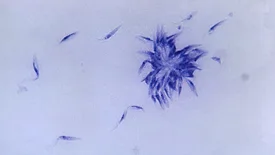
Although the overall global burden has decreased, persistent and increasing burdens from specific foodborne parasites and in certain regions warrant continued public health attention.
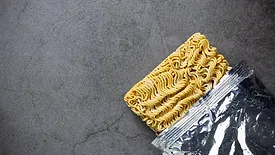
At least 106 people have been infected by the outbreak strain in 13 European countries. Young people are disproportionately affected. Some sickened children reported eating the noodles and seasoning dry, without adding boiling water as instructed on the package.
 RSS
RSS