WHO has released a set of updated manuals to help national authorities strengthen foodborne illness outbreak surveillance and response, contributing to faster and more reliable communication and response internationally (i.e., through INFOSAN).
On January 1, three new EU reference laboratories for foodborne and waterborne diseases became officially operational, bringing the total number to nine. These laboratories will help national public health laboratories improve testing, data quality, and outbreak preparedness related to food- and waterborne pathogens.
FAO and WHO recently published a report identifying and prioritizing chemical contaminants that pose a food safety risk due to their presence in sources of water used in agri-food systems.
FAO recently published a report and conducted a webinar on the use of advanced technologies like AI to transform traditional approaches to food safety foresight, providing both public and private perspectives, and emphasizing the importance of expert human oversight and cross-sector collaboration.
At the 55th Session of the Codex Committee on Food Hygiene (CCFH), prompted by the ongoing infant botulism outbreak linked to ByHeart formula in the U.S., CCFH decided to initiate work related to the control of Clostridium botulinum in powdered infant formula.
According to a report by the Swedish Food Agency, food fraud costs Swedish society an estimated $13.6 billion SEK (approximately $1.5 billion USD) annually. The agency is preparing upcoming government directives to implement measures to address the growing problem of food fraud.
A study used machine learning to analyze WGS data for Salmonella isolates from ten European nations. The findings reveal that poultry and pigs remain the dominant sources of human salmonellosis. Notable cross-border transmission underscores the need for internationally harmonized control strategies.
To support the work of the Joint Expert Meeting on Microbiological Risk Assessment (JEMRA), FAO/WHO are seeking experts and data on the use of omics-based technologies for pathogen detection, outbreak root cause analyses, surveillance, food process monitoring programs, and microbiological risk assessments.
Recognized for its competence in responding to food safety emergencies, the Korean Ministry of Food and Drug Safety was recently designated the world’s first Collaboration Center for FAO/WHO’s International Food Safety Authorities Network (INFOSAN).
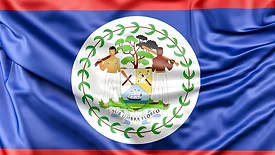
Belize and UAE are the latest countries to complete national food safety system reviews using the FAO/WHO Food Control System Assessment Tool, resulting in the development of strategic action plans to advance competencies and align with internationally recognized food safety standards.
 RSS
RSS