The FAO/WHO Joint Expert Meeting on Microbiological Risk Assessment (JEMRA) has published a report on prevention and intervention measures for foodborne virus–commodity pairs of concern.
The Technical University of Denmark (DTU) National Food Institute is home to the new WHO Collaborating Center for Risk and Benefits of Foods and Diets.
FoodChain ID recently announced two global developments: a partnership with the Center of Excellence for Life Sciences, Agriculture, and Bioingenuity to support recovery of the Ukrainian agri-food sector and the acquisition of Brazilian certification body Sbcert.
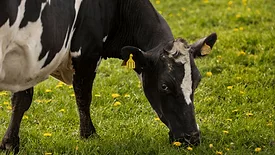
Antibodies for highly pathogenic avian influenza H5N1 (HPAI H5N1) have been detected in a Dutch dairy cow, indicating the animal was infected with the virus.
Environmental inhibitors are compounds used in agriculture to reduce greenhouse gas emissions from animals or minimize nitrogen losses in soil. A new FAO report highlights the need for a harmonized approach to risk assessment of these compounds and suggests a potential framework.
A new analysis of global foodborne illness data revealed that, since 1990, the number of invasive non-typhoidal Salmonella cases and deaths have risen by 46 percent and 27 percent, respectively—with significant regional disparities.
WHO has released a set of updated manuals to help national authorities strengthen foodborne illness outbreak surveillance and response, contributing to faster and more reliable communication and response internationally (i.e., through INFOSAN).
On January 1, three new EU reference laboratories for foodborne and waterborne diseases became officially operational, bringing the total number to nine. These laboratories will help national public health laboratories improve testing, data quality, and outbreak preparedness related to food- and waterborne pathogens.
FAO and WHO recently published a report identifying and prioritizing chemical contaminants that pose a food safety risk due to their presence in sources of water used in agri-food systems.
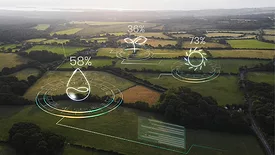
FAO recently published a report and conducted a webinar on the use of advanced technologies like AI to transform traditional approaches to food safety foresight, providing both public and private perspectives, and emphasizing the importance of expert human oversight and cross-sector collaboration.
 RSS