Food Safety
search
Ask Food Safety AI
cart
facebook twitter linkedin instagram youtube
  • Sign In
  • Create Account
  • Sign Out
  • My Account
Food Safety
  • NEWS
    • Latest News
    • White Papers
  • PRODUCTS
  • TOPICS
    • Contamination Control
    • Food Types
    • Management
    • Process Control
    • Regulatory
    • Sanitation
    • Supply Chain
    • Testing and Analysis
  • PODCAST
  • EXCLUSIVES
    • Food Safety Five Newsreel
    • eBooks
    • FSM Distinguished Service Award
    • Interactive Product Spotlights
    • Videos
  • BUYER'S GUIDE
  • MORE
    • NEWSLETTERS >
      • Archive Issues
      • Subscribe to eNews
    • Store
    • Sponsor Insights
    • ASK FSM AI
  • WEBINARS
  • FOOD SAFETY SUMMIT
  • EMAG
    • eMagazine
    • Archive Issues
    • Editorial Advisory Board
    • Contact
    • Advertise
  • SIGN UP!
NewsManagementRegulatoryTesting & AnalysisInternationalRecall/Crisis ManagementLaboratory ManagementMicrobiologicalInternational Standards/Harmonization

Three EU Reference Labs for Foodborne Diseases Become Operational
By Food Safety Magazine Editorial Team
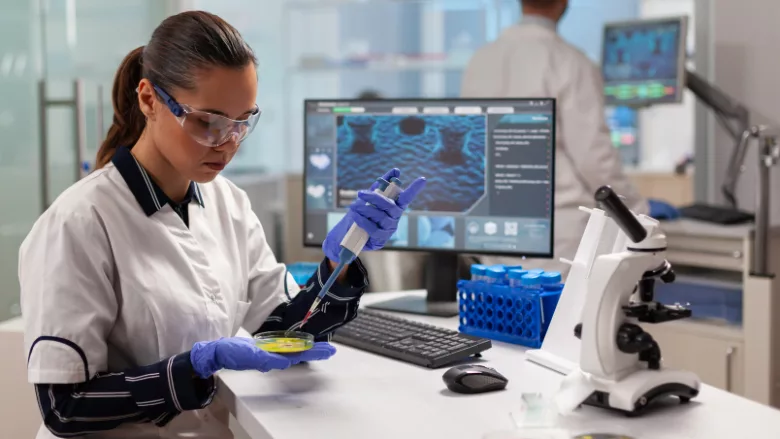
microbiologist in lab working with pipette and petri dish with microbial colony
Image credit: DC Studio via Freepik
January 15, 2026

On January 1, three new EU reference laboratories for foodborne and waterborne diseases became officially operational. These laboratories, which will be active for the next seven years, will help national public health laboratories improve testing, data quality, and outbreak preparedness related to foodborne and waterborne pathogens (i.e., bacteria, viruses, and helminths and protozoa).

EU reference laboratories collaborate with existing EU disease networks to identify needs and deliver support to national public health laboratories. Their main role is to help ensure that laboratory data and test results are reliable, comparable, and consistent across all EU countries, ultimately bolstering early outbreak detection, surveillance data quality, and EU-wide preparedness. Specific functions of EU reference laboratories include:

  • Performing specialized testing or complex diagnostics that may not be available in all laboratories
  • Encouraging laboratories to align their diagnostic and testing methods for surveillance
  • Providing opportunities for laboratories to test their proficiency and build their capacity
  • Supporting laboratories to submit correct and complete notifications and reporting
  • Sharing scientific expertise and best practice across the EU.

Regulation (EU) 2022/2371 on cross-border public health threats created EU reference laboratories by providing the legal basis for setting up a network of specialized laboratories to support EU-wide disease surveillance and response. This network of EU reference laboratories is coordinated by the European Centrer for Disease Prevention and Control (ECDC).

Ten EU reference laboratories have been designated by the European Commission, the first six of which became operational in January 2025. The final laboratory will become operational in January 2027. Additional EU reference laboratories may be implemented in the coming years.

Looking for quick answers on food safety topics?
Try Ask FSM, our new smart AI search tool.
Ask FSM →


KEYWORDS: ECDC EU Europe European Center for Disease Prevention and Control

Share This Story

Fsm purple logo 200x200

The Food Safety Magazine editorial team comprises Bailee Henderson, Digital Editor ✉; Adrienne Blume, M.A., Editorial Director; and Stacy Atchison, Publisher.

Recommended Content

JOIN TODAY
to unlock your recommendations.

Already have an account? Sign In

  • people holding baby chicks

    Serovar Differences Matter: Utility of Deep Serotyping in Broiler Production and Processing

    This article discusses the significance of Salmonella in...
    Food Type
    By: Nikki Shariat Ph.D.
  • woman washing hands

    Building a Culture of Hygiene in the Food Processing Plant

    Everyone entering a food processing facility needs to...
    Training
    By: Richard F. Stier, M.S.
  • graphical representation of earth over dirt

    Climate Change and Emerging Risks to Food Safety: Building Climate Resilience

    This article examines the multifaceted threats to food...
    International
    By: Maria Cristina Tirado Ph.D., D.V.M. and Shamini Albert Raj M.A.
Manage My Account
  • eMagazine Subscription
  • Subscribe to Newsletters
  • Manage My Preferences
  • Website Registration
  • Subscription Customer Service

More Videos

Sponsored Content

Sponsored Content is a special paid section where industry companies provide high quality, objective, non-commercial content around topics of interest to the Food Safety Magazine audience. All Sponsored Content is supplied by the advertising company and any opinions expressed in this article are those of the author and not necessarily reflect the views of Food Safety Magazine or its parent company, BNP Media. Interested in participating in our Sponsored Content section? Contact your local rep!

close
  • This image displays a multi-stage water filtration system designed to remove contaminants from drinking water.
    Sponsored byWaterdrop Filter

    The 4.0 ppt Era: Future-Proofing Your Food Supply Chain Against "Forever Chemicals"

  • The image displays a bottling plant production line, commonly used in the beverage industry for filling and packaging soft drinks.
    Sponsored byBIOIONIX

    Sustainability with ROI: A Beverage Producer Case Study in Water Savings

  • factory
    Sponsored byIFC

    A Clean Break to Reset the Environment with Chlorine Dioxide

Popular Stories

workers and inspector in processing facility

Gearing Up for an FDA Inspection

formula powder

ByHeart Infant Formula Botulism Outbreak Ends with Extensive WGS Evidence, but Root Cause Remains Unidentified

grocery shopper examining label on a can

EU Considers Adoption of Harmonized Precautionary Allergen Labeling Rules

Events

March 26, 2026

Continuous Pathogen Control: Enhancing Sanitation and Environmental Monitoring in Food Processing

Live: March 26, 2026, at 2:00 pm EST: This session explores the role of continuous airborne pathogen control technology in supporting sanitation and environmental monitoring programs within food processing environments.

March 31, 2026

Regulatory Risk, Ingredient Safety, and GRAS: What Companies Need to Act on Now

Live: March 31, 2026, at 11:00 am EDT: From this webinar, attendees will recognize patterns in food policy affecting dietary guidelines, UPFs, state legislative actions, and expected GRAS reform.

April 8, 2026

Foreign Material Contamination: Why In-Line Reinspection Isn't Enough

Live: April 8, 2026, at 11:00 am EDT: From this webinar, attendees will learn why re-inspecting with in-line equipment is not sufficient when it comes to potential foreign material contamination.

View All

Products

Global Food Safety Microbial Interventions and Molecular Advancements

Global Food Safety Microbial Interventions and Molecular Advancements

See More Products

Related Articles

  • New EU Report Summarizes Trends in Most Prevalent Foodborne Diseases

    See More
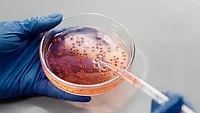
  • blue-gloved hands using pipette and petri dish with bacteria

    Danish, Swedish Institutions Form Consortium to Establish EU Reference Laboratory for AMR

    See More
  • 3D render of DNA strands on white background

    New EU Regulation Requires WGS Analysis, Data Reporting for Important Foodborne Pathogens

    See More

Related Products

See More Products
  • 1118396308.jpg

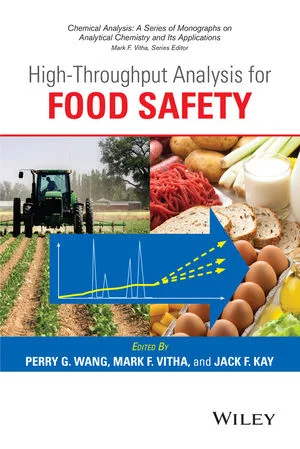
    High Throughput Analysis for Food Safety

  • 1119053595.jpg

    Food Safety for the 21st Century: Managing HACCP and Food Safety throughout the Global Supply Chain, 2E

  • 1119160553.jpg

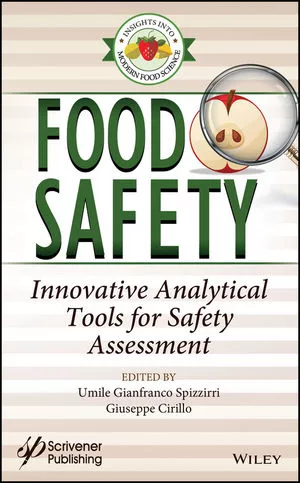
    Food Safety: Innovative Analytical Tools for Safety Assessment

See More Products

Related Directories

  • Romer Labs

    Romer Labs is a global leader in innovative diagnostic solutions for food and feed safety. With a focus on mycotoxins, food allergens, GMOs, and microbial contaminants, we strive to meet the ever-changing demands of our customers. Furthermore, we operate a global network of 6 ISO accredited laboratories.
  • TAAG Labs

    Transforming food safety with the first fully interconnected and comprehensive suite of multiplex molecular diagnostics kits, advanced lab services, and AI-powered software. Our game-changing proprietary PCR kits can deliver precise results in just 3 hours, without enrichment. Join us in setting a new standard for speed, sensitivity, and smart diagnostics.
  • Electronic Development Labs Inc. (EDL)

    Since 1943, EDL has been known as the leader in temperature measurement and calibration equipment. USA made and still family owned and operated, our total focus is on quality. Our temperature sensors are recognized as the most dependable, accurate and repeatable sensors available. Trust EDL when quality matters.
×

Never miss the latest news and trends driving the food safety industry

Newsletters | Website | eMagazine

JOIN TODAY!
  • RESOURCES
    • Advertise
    • Contact Us
    • Directories
    • Store
    • Want More
  • SIGN UP TODAY
    • Create Account
    • eMagazine
    • Newsletters
    • Customer Service
    • Manage Preferences
  • SERVICES
    • Marketing Services
    • Reprints
    • Market Research
    • List Rental
    • Survey/Respondent Access
  • STAY CONNECTED
    • LinkedIn
    • Facebook
    • Instagram
    • X (Twitter)
  • PRIVACY
    • PRIVACY POLICY
    • TERMS & CONDITIONS
    • DO NOT SELL MY PERSONAL INFORMATION
    • PRIVACY REQUEST
    • ACCESSIBILITY

Copyright ©2026. All Rights Reserved BNP Media.

Design, CMS, Hosting & Web Development :: ePublishing