With the goal of supporting stronger risk assessments to address emerging food chemical risks, the European Food Safety Authority (EFSA) reviewed existing data sources; data gaps and challenges; and recommendations for improving data availability, quality, and interoperability.
The first set of results focuses on acrylamide and certain toxic heavy metals. Although the levels of some contaminants in food are decreasing overall, the population's exposure still remains concerningly high.
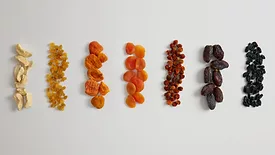
The STEC O26:H11 outbreak sickened 40 people and resulted in 19 cases of hemolytic uremic syndrome (HUS) in children. Dried fruit was the probable vehicle of illness. Researchers underlined the importance of a weight-of-evidence approach in the outbreak investigation.
The three-year partnership will focus on driving food safety, sustainability, and resiliency, aligned with One Health principles, by leveraging advanced technological tools and science.
Amid the ongoing global infant formula recall due to possible cereulide contamination, some countries have reported cases of mostly mild gastrointestinal illness in infants who had consumed infant formula, but confirming cereulide exposure is a challenge.
Based on the largest database of detection rates yet compiled, new global foodborne diarrheal disease burden estimates will serve as inputs for WHO’s forthcoming updated, broader estimates on the global burden of foodborne diseases.
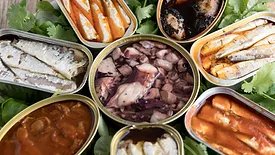
Food fraud in the seafood sector is a growing and complex issue with serious health consequences, requiring a coordinated effort involving strict enforcement, advanced analytical tools, stakeholder collaboration, and public education.
In the wake of a high-profile safety incidents involving powdered infant formula, FAO/WHO have issued a call for experts and data to support JEMRA in conducting a risk assessment that will help the Codex Committee on Food Hygiene update the Codex Alimentarius standards for powdered formula.
The FAO/WHO Joint Expert Meeting on Microbiological Risk Assessment (JEMRA) has published a report on prevention and intervention measures for foodborne virus–commodity pairs of concern.
The Technical University of Denmark (DTU) National Food Institute is home to the new WHO Collaborating Center for Risk and Benefits of Foods and Diets.
 RSS
RSS