The FAO-led Regional Food Safety Research and Innovation Network (RFSRIN) was officially launched this October to improve food safety across the Near East and North Africa. Recent efforts by RFSRIN include a report mapping the region’s food safety challenges and opportunities.
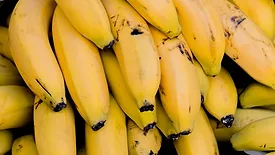
A 2024 European foodborne illness outbreak caused by a rare Salmonella serotype, linked to leafy greens grown near a buffalo farm, exposed gaps in biosecurity, surveillance, and data transparency across the agri-food system.
The Institute of Food Technologists’ (IFT’s) Food Science Academic Knowledge Base 2025 covers application and enrollment trends, areas of growing and declining interest, and key influences among food science students globally.
On October 14, as part of the FAO Science and Innovation Forum, FAO will hold a webinar on the role of artificial intelligence (AI) in enhancing food safety management. Registration for online participation in the event is now open.
The 14th annual Operation OPSON, led by Europol to crack-down on counterfeit and substandard food and beverages circulating the EU, resulted in the seizure of 11.6 million kilograms of food and 1.4 million liters of beverages.
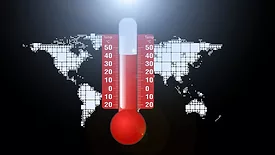
An updated literature review from the Scientific Committee of the Spanish Agency for Food Safety and Nutrition (AESAN) summarizes the effects of climate change on foodborne pathogens, and how strengthening surveillance and investing in control technologies can address the growing risks.
After FDA discovered radioactive isotope Cesium-137 in shipments of shrimp and spices from Indonesia, the Indonesian government launched an investigation and discovered environmental contamination near where the shrimp processor is located. The cause of cloves contamination is not yet determined.
A recent survey of UK consumers by the UK Food Standards Agency (FSA) reveals high levels of public confidence in food safety and regulatory oversight, standing in stark contrast to the lack of faith being reported in surveys of U.S. consumers.
A Latin American–Caribbean consortium, aided by FAO, is working toward establishing Codex Alimentarius-aligned maximum residue limits (MRLs) for regionally important veterinary drug residues, advancing food safety.
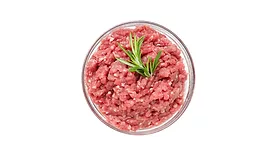
In August, an outbreak of Shiga toxin-producing Escherichia coli O:157 (STEC) infections at Belgian long-term care facilities sickened more than 70 people, resulting in nine deaths. Raw ground beef is the probable vehicle of illness.
 RSS
RSS