The UK Food Standards Agency (FSA) has reported on the outcomes of the recently concluded, £24 million Pathogen Surveillance in Agriculture, Food, and the Environment (PATH-SAFE) program, and announced that it will continue to build on the work of PATH-SAFE with a national Food Surveillance Program.
The European Food Safety Authority (EFSA) has released its 2025 Eurobarometer Survey on Food Safety in the EU, which gauges the awareness and perceptions of EU food safety systems and risks among European citizens.
Hosted in Riyadh, Saudia Arabia by the Saudi Food and Drug Administration (SFDA) and FAO, the Hack4SaferPlates Hackathon aimed to foster sustainable, tech-driven solutions to food safety challenges across the Near East and North Africa.
A UK Government report calls attention to the increasing volume of illegally imported meat and dairy to Great Britain, which is often unsafe and unhygienic, posing foodborne illness and zoonotic disease risks. It recommends a coordinated approach to tackling illicit imports.
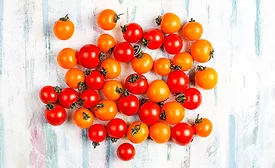
More than 300 patients infected by the outbreak strain of Salmonella Strathcona have been identified in 19 EU/EEA countries, the UK, the U.S., and Canada. Tomatoes from Italy are the vehicle of infection.
With Dubai receiving about nine million metric tons of food annually, having over 26,000 food establishments, and being home to more than 200 nationalities, the scale—and the stakes—for food safety are enormous.
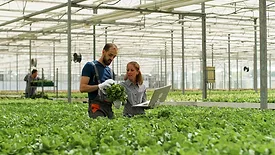
A new FAO report offers the first comprehensive global review of the food safety hazards, controls, and regulatory considerations associated with modern indoor farming/controlled environment agriculture (CEA).
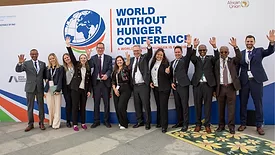
During a technical meeting convened by IAEA, FAO, and WHO, experts emphasized the need for a joint response to the interconnected issues of food safety and nutrition. The use of nuclear techniques to enhance food safety and nutrition was also explored.
The Australian OzFoodNet network recently published its latest foodborne illness monitoring report, covering the year 2019. Campylobacter caused the greatest number of illnesses, but outbreaks were dominated by Salmonella.
Globally, unsafe food costs low- and middle-income countries over $110 billion USD annually in productivity losses and medical expenses. The cost of doing nothing is far higher than the cost of effective action.
 RSS
RSS