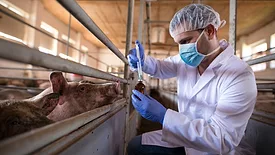
Ahead of World Food Safety Day, FAO and WHO have introduced a Food Safety Roadmap Development Tool and an online learning course on Codex-aligned risk assessments, supporting competent authorities and other stakeholders seeking to utilize science and data to improve national food safety systems.
FAO, WHO, and the Codex Coordinating Committees for Africa and the Near East led a training with more than 350 participants from the Africa, Near East, and Eastern Mediterranean regions, focused on participation in Codex standard-setting work.
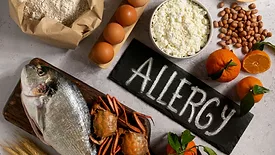
During the 49th Meeting of the Codex Committee on Food Labeling (CCFL49), guidelines on risk-based precautionary allergen labeling, labeling for multipack foods, and emergency flexible labeling were recommended for adoption. CCFL also declined a proposal to initiate work related to ultra-processed foods.
Strengthening food system resilience requires not only technological innovation, but also an improved societal understanding of food system dynamics and risks.
Improvements in national food safety infrastructure by the 17 countries included in the analysis would cost an estimated $492 million USD over ten years, but would avert 19 million cases of foodborne illness and 13,000 associated deaths, generating a value of $23 billion.
At the upcoming 49th Session of the Codex Committee on Food Labeling (CCFL49), CCFL will consider draft guidelines on applying food labeling provisions during emergencies. Infant and maternal health groups oppose these guidelines, saying they could harm vulnerable populations.
The outbreak strain of Salmonella Bochum is extremely rare. Children and adolescents aged 2–15 years represent 75 percent of outbreak patients. Patient interviews and a case-control study point to a certain brand of chocolate-hazelnut spread as the vehicle of illness.
The growing global focus on health and wellness has reshaped the way consumers choose food. Beyond taste and nutritional value, greater importance is now placed on the origin of ingredients, production methods, and environmental impact.
In this episode of Food Safety Matters, we speak to two industry leaders and Food Safety Summit Editorial Advisory Board members about managing food safety programs across large-scale, global operations; upcoming Summit sessions on imported food safety risks and food safety culture; and advice for early-career food safety professionals.
The 28th session of the Codex Committee on Residues of Veterinary Drugs in Foods made advances related to maximum residue limits (MRLs), extrapolation approaches, and risk management guidance, with several measures forwarded to the Codex Alimentarius Commission for adoption.
 RSS
RSS







.webp?height=168&t=1691503719&width=275 "FoodSafetyMattersFinal-900x550-(002).jpg")