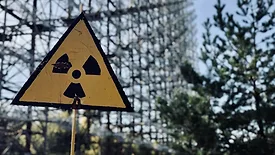
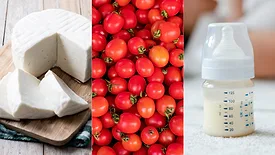
The Nuclear Energy Agency (NEA) recommendations were informed by lessons learned from the Chernobyl and Fukushima Daiichi incidents, which demonstrated that radioactive contamination of food can have long-lasting public health and economic consequences.
The Food Safety Authority of Ireland (FSAI) has published its first national risk ranking of microbiological foodborne hazards, which is intended to support risk-based food safety management by helping prioritize prevention, surveillance, and control efforts.
Although the overall global burden has decreased, persistent and increasing burdens from specific foodborne parasites and in certain regions warrant continued public health attention.
At least 106 people have been infected by the outbreak strain in 13 European countries. Young people are disproportionately affected. Some sickened children reported eating the noodles and seasoning dry, without adding boiling water as instructed on the package.
The Alert and Cooperation Network (ACN), which enables EU Member States to exchange information and coordinate responses to food safety incidents, processed a record 10,490 notifications. Notable incidents included a Listeria outbreak linked to French cheese, Salmonella in Italian tomatoes, and cereulide in infant formula.
Traceability investigations identified a common seed supplier, with implicated alfalfa seeds imported from India and distributed throughout Europe. Available evidence suggested the seeds were likely contaminated before entering the EU.
Only six deaths were reported in 2024. The majority (nine) of the 12 fatalities in 2025 were included in one E. coli outbreak linked to ground beef served at long-term care facilities nationwide.
Based on the findings, researchers recommended targeted food safety messaging for older adults that raises awareness of age-related susceptibility to foodborne illness and the potential severity of infection, and acknowledges the effects of health, financial, and environmental realities on food safety practices.
Four European research and innovation projects—SecureFood, EFF-CoP, ACT4FOOD, and DEFENSEFOOD—will host a joint webinar on July 3, titled, "Advancing Food System Security: From Early Signals to Systemic Resilience.”
 RSS
RSS