A high proportion of Campylobacter and Salmonella from food-producing animals across Europe are resistant to antimicrobials that are important to human medicine. Escherichia coli resistance to last-resort carbapenems is growing.
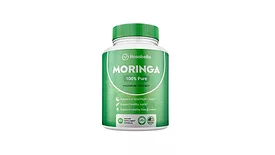
The moringa powder capsules are sold under the Rosabella brand name and are distributed by Ambrosia Brands LLC. The outbreak strain is resistant to all first-line and alternative antibiotics commonly recommended for salmonellosis treatment.
This article examines shifting USDA regulatory expectations, evolving risk assessment tools, and realistic strategies to manage Salmonella as a true public health risk rather than solely a process control issue.
This episode of Food Safety Five discusses new research about the rising Salmonella disease burden worldwide and the utility of whole genome sequencing (WGS) for Salmonella surveillance.
Researchers estimate that the use of whole genome sequencing (WGS) for routine pathogen surveillance in Australia prevents up to 10,900 foodborne salmonellosis cases and delivers as much as $17 million in cost savings annually.
At a January 14 public meeting on strategies to reduce Salmonella in poultry products, USDA-FSIS focused on the importance of tailored strategies, data-driven decisions, and considering the needs of small- and medium-sized establishments. Stakeholders shared their concerns and ideas.
A new analysis of global foodborne illness data revealed that, since 1990, the number of invasive non-typhoidal Salmonella cases and deaths have risen by 46 percent and 27 percent, respectively—with significant regional disparities.
At a public meeting on January 14 held by USDA-FSIS to discuss strategies for reducing salmonellosis attributable to poultry, a Consumer Reports food scientist argued for the agency to return to its now-withdrawn proposed regulatory framework for Salmonella in poultry.
Through the One Health lens, a scientific review summarized current knowledge on Salmonella biofilms, the importance of non-antibiotic interventions given the rise of antimicrobial resistance (AMR), emerging alternative strategies with potential for real-world use, and challenges and needs moving forward.
A two-year study of Southeastern U.S. watersheds confirmed that surface water harbors complex, clinically relevant Salmonella populations that differ from food animal datasets—revealing critical gaps in understanding environmental Salmonella transmission and the need for robust One Health surveillance systems.