Food Safety
search
Ask Food Safety AI
cart
facebook twitter linkedin instagram youtube
  • Sign In
  • Join Today
  • Sign Out
  • My Account
Food Safety
  • NEWS
    • Latest News
    • Food Safety Five Newsreel
  • PRODUCTS
  • TOPICS
    • Contamination Control
    • Food Types
    • Management
    • Process Control
    • Regulatory
    • Sanitation
    • Supply Chain
    • Testing and Analysis
  • PODCAST
  • EXCLUSIVES
    • eBooks
    • Sponsored Insights
    • Sponsored White Papers
    • FSM Distinguished Service Award
    • Interactive Product Spotlights
    • Videos
  • MORE
    • BUYER'S GUIDE
    • NEWSLETTERS >
      • Archive Issues
      • Subscribe to eNews
    • Store
    • ASK FSM AI
  • WEBINARS
  • FOOD SAFETY SUMMIT
  • FSM FEATURES
    • FSM Features Collection
    • eMag Archives
    • Editorial Advisory Board
    • Contact
    • Advertise
  • JOIN
NewsContamination ControlFood TypeManagementInternationalChemical ControlMicrobiological ControlMeat/Poultry

Significant AMR Found in Campylobacter From East African Poultry and Humans
By Bailee Henderson
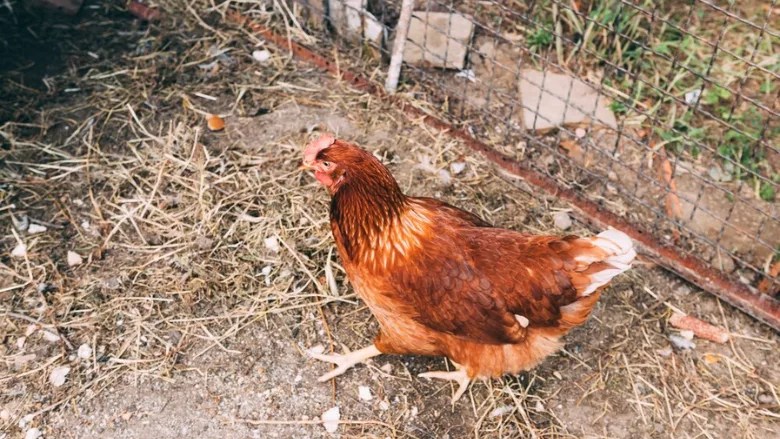
chicken on dirt next to chickenwire fence

Image credit: Freepik

October 4, 2024

In one of the largest-ever studies using whole genome sequencing (WGS) to characterize Campylobacter in Africa, antimicrobial resistance (AMR) was identified in 75 percent of human and poultry isolates from Tanzania and Kenya.

Consumption of chicken meat is an important contributor to human campylobacteriosis in sub-Saharan Africa. At the same time, the use of WGS is increasing worldwide to inform foodborne pathogen control strategies, but, at present, very few WGS analyses of Campylobacter in Africa exist, and even fewer involve the comparison of human and poultry isolates.

A recent study published in the U.S. Centers for Disease Control and Prevention’s (CDC’s) Emerging Infectious Diseases aimed to fill this knowledge gap while also gaining a better understanding of how campylobacteriosis from poultry contributes to the rise of AMR. The study integrated data acquired from sampling conducted on poultry farms in Tanzania and at clinics across Kenya—countries in which there is a high prevalence of AMR among C. jejuni and C. coli human and poultry isolates. Campylobacter isolates were subjected to WGS analysis and antimicrobial susceptibility testing, from which the researchers identified similarities and differences between isolates from human clinical cases and chicken farms.

The researchers isolated Campylobacter from 56 (8.6 percent) of 649 chicken cloacal swab specimens. A total of 178 C. jejuni and C. coli isolates from both human patients (81) and poultry samples (97) were confirmed and subjected to WGS and antimicrobial susceptibility testing. C. coli comprised six (7.4 percent) of 81 human isolates and 18 (18.6 percent) of 97 poultry isolates; C. jejuni made up the remaining isolates.

AMR was detected in a vast majority of both human and poultry isolates—approximately 75 percent—with a higher prevalence of multidrug resistance in poultry isolates (2.5 percent) than human isolates (more than 40 percent). Resistance to tetracyclines, fluoroquinolones, and sulphonamides was especially common. Additionally, significant genetic similarity between human and poultry Campylobacter isolates was observed, with many isolates representing previously unreported sequence types (STs).

Also noted was great diversity of STs, rather than just a few STs dominating the majority of isolates. A total of 78 STs were identified, 27 of which have previously been isolated from other countries in Africa and recorded on PubMLST (a public database for microbial genomic data).

Overall, the study demonstrated a “striking diversity” of Campylobacter in both humans and poultry, with some STs common to multiple farms or to both humans and poultry. The high prevalence of AMR in all isolates and MDR in poultry isolates, as well as the identification of many previously unidentified STs, highlights the need for ongoing investigation of foodborne enteric pathogens like Campylobacter in low-resource settings. The researchers call for greater use of WGS in surveillance systems, as well as a better understanding of the role of antimicrobial use and biosecurity measures as drivers of AMR, and improved governance of antimicrobial use in the food and healthcare sectors.

Looking for quick answers on food safety topics?
Try Ask FSM, our new smart AI search tool.
Ask FSM →

KEYWORDS: Africa AMR Campylobacter Kenya study Tanzania whole genome sequencing

Share This Story

1786925983615

Bailee Henderson is the Director of Content Strategy for Food Safety Magazine. In the day-to-day, she covers industry-relevant current events, regulatory affairs, and scientific developments. She also produces the Food Safety Five Newsreel, edits the twice-weekly Food Safety Digest newsletter, and manages the brand's social media channels. Notably, Bailee's coverage for Food Safety Magazine has been featured in national televised news segments including CBS Sunday Morning and MSNBC's Rachel Maddow Show. She can be reached at hendersonb@bnpmedia.com.

Recommended Content

JOIN TODAY
to unlock your recommendations.

Already have an account? Sign In

  • people holding baby chicks

    Serovar Differences Matter: Utility of Deep Serotyping in Broiler Production and Processing

    This article discusses the significance of Salmonella in...
    Meat/Poultry
    By: Nikki Shariat Ph.D.
  • woman washing hands

    Building a Culture of Hygiene in the Food Processing Plant

    Everyone entering a food processing facility needs to...
    Training
    By: Richard F. Stier, M.S.
  • graphical representation of earth over dirt

    Climate Change and Emerging Risks to Food Safety: Building Climate Resilience

    This article examines the multifaceted threats to food...
    International
    By: Maria Cristina Tirado Ph.D., D.V.M. and Shamini Albert Raj M.A.
Manage My Account
  • Join Food Safety Magazine
  • Manage My Preferences
  • Customer Service

More Videos

Sponsored Content

Sponsored Content is a special paid section where industry companies provide high quality, objective, non-commercial content around topics of interest to the Food Safety Magazine audience. All Sponsored Content is supplied by the advertising company and any opinions expressed in this article are those of the author and not necessarily reflect the views of Food Safety Magazine or its parent company, BNP Media. Interested in participating in our Sponsored Content section? Contact your local rep!

close
  • pre-packaged salads, noodles, and prepared meals stocked on multi-tier grocery store refrigerator shelves
    Sponsored byCorbion

    How Many Days of Shelf Life Are You Leaving on the Table?

  • Top view portrait of two factory workers standing by conveyor belt during quality inspection at food production, copy space
    Sponsored byFlexXray

    Foreign Material By the Numbers: What the 2026 Benchmark Report Reveals

  • a conveyorized industrial metal detector system that appears to resemble a Loma Systems IQ4 Metal Detector setup with an integrated conveyor belt and control panel for food or package inspection.
    Sponsored byMettler Toledo

    Beyond Detection: How to Avoid Physical Contamination in Food Through a Smarter Inspection Strategy

Popular Stories

choosing food in the freezer aisle

Refrigerator Malfunctions on U.S. Military Bases May Be Result of Targeted Cyberattacks, Similar to French Incident

supermarket freezers

Another Wave of Refrigerator Cyberattacks Sweeps European Grocery Stores, Causing More Food Losses

dino nuggets and ketchup

WHO Proposes Food Profiling Model to Inform Regulation of Ultra-Processed Foods

allergens ebook

Events

November 12, 2026

From Data Overload to Actionable Food Safety Risk Intelligence

Live: November 12, 2026 at 11:00 am EST: This webinar explores how data integration, advanced analytics, and digital technologies can help transform disparate information into meaningful risk intelligence.

November 17, 2026

Are You Getting the Most from Your Food Safety Testing?

Live: November 17, 2026 at 11:00 am EST: Attend this webinar to explore practical ways food processors can modernize sanitation verification and microbiological testing while keeping workflows simple and effective.

December 2, 2026

Beyond Surface Clean: Tackling Biofilms and Persistent Pathogens

Live: December 2, 2026 at 11:00 am EST: Attend this webinar to understand why chlorine dioxide is not chlorine, and what “ultra-pure” means for residues, byproducts, and effectiveness.

View All

Products

Global Food Safety Microbial Interventions and Molecular Advancements

Global Food Safety Microbial Interventions and Molecular Advancements

See More Products

Related Articles

  • salt falling on raw chicken

    High Levels of AMR Found in E. Coli From Retail Raw Chicken Meat, Chicken-Based Raw Dog Food

    See More
  • raw chicken on grill

    AMR Trends in Campylobacter from UK Chicken Meat Over 20 Years

    See More
  • East African Community (EAC) Seeks Harmonized Food Safety Measures

    See More

Related Products

See More Products
  • food-safety-making.jpg

    Food Safety: Making Foods Safe and Free From Pathogens

  • 9781138070912.jpg

    Trends in Food Safety and Protection

  • 1119237963.jpg

    Food Safety in China: Science, Technology, Management and Regulation

See More Products

Events

View AllSubmit An Event
  • September 2, 2026

    From Crisis to Control: A Listeria Elimination Journey in Food Manufacturing

    On Demand: This webinar shares a real-world case study of a food processing facility that solved a persistent Listeria challenge after standard protocols fell short.
View AllSubmit An Event

Related Directories

  • Women In Food Safety

    Women in Food Safety is a US-based global nonprofit organization dedicated to empowering and advancing women in the food safety and quality industry. Women In Food Safety provides a platform for professionals at all stages of their careers to grow, share knowledge, and support one another. Through community events, educational initiatives, and leadership development, we are building a more inclusive and resilient future for food safety worldwide. Together, we can do BETTER!
×

Never miss the latest news and trends shaping the food safety industry

Newsletters | Website | FSM Features Collection

JOIN TODAY!
  • RESOURCES
    • Advertise
    • Contact Us
    • Directories
    • Store
  • JOIN TODAY
    • Create Account
    • FSM Features Collection
    • Newsletters
    • Customer Service
    • Manage Preferences
  • SERVICES
    • Marketing Services
    • Reprints
    • Market Research
    • List Rental
    • Survey/Respondent Access
  • STAY CONNECTED
    • LinkedIn
    • Facebook
    • Instagram
    • X (Twitter)
    • YouTube
  • PRIVACY
    • PRIVACY POLICY
    • TERMS & CONDITIONS
    • DO NOT SELL MY PERSONAL INFORMATION
    • PRIVACY REQUEST
    • ACCESSIBILITY

Copyright ©2026. All Rights Reserved BNP Media, Inc. and BNP Media II, LLC.

Design, CMS, Hosting & Web Development :: ePublishing